
Fields and discoveries
Future value creation on the Norwegian continental shelf requires the industry to make good use of existing infrastructure, keep unit costs low, work purposefully to improve recovery and develop discoveries swiftly. Continuous development and use of technology is crucial to increase the proportion of resources that can be developed.
In this chapter:
The infrastructure on the NCS consists of an extensive network of pipelines, platforms, subsea facilities, onshore receiving terminals, storage and export facilities. This infrastructure connects fields, discoveries and markets and is a prerequisite for efficient resource utilisation. Without access to existing facilities, large parts of the value potential in both proven and undiscovered resources are difficult to realise.
The NCS finds itself in a challenging phase, with declining production from many fields and consistently small discoveries. In well-explored areas, future value creation will depend largely on improved recovery from existing fields, swift development of discoveries and continued operation of infrastructure. These factors are closely interrelated and interdependent.
The lifetime and capacity of the infrastructure determine which discoveries can be developed and when. In addition, field centres and transport systems must be kept in operation long enough to allow new discoveries to be tied back. For small discoveries, access to available processing and transport capacity is often crucial for profitability.
Technology development along the entire value chain, coupled with the players' willingness to invest, determines whether remaining resources can be developed. Otherwise, the risk of a rapid decline in production increases.
Production levels – slowing down the decline
At the end of 2025, 97 fields were in production on the NCS with total production of 240 million scm oe. At the beginning of the 2000s, approximately 40 fields yielded a similar production volume (Figure 3.1). Production has thus shifted from a few large fields to being distributed across many small and medium-sized fields, with lower average production.
Today, Johan Sverdrup and Troll alone account for approximately 30 per cent of oil production and 35 per cent of gas production, respectively. The remaining production is divided between many medium-sized and small fields.
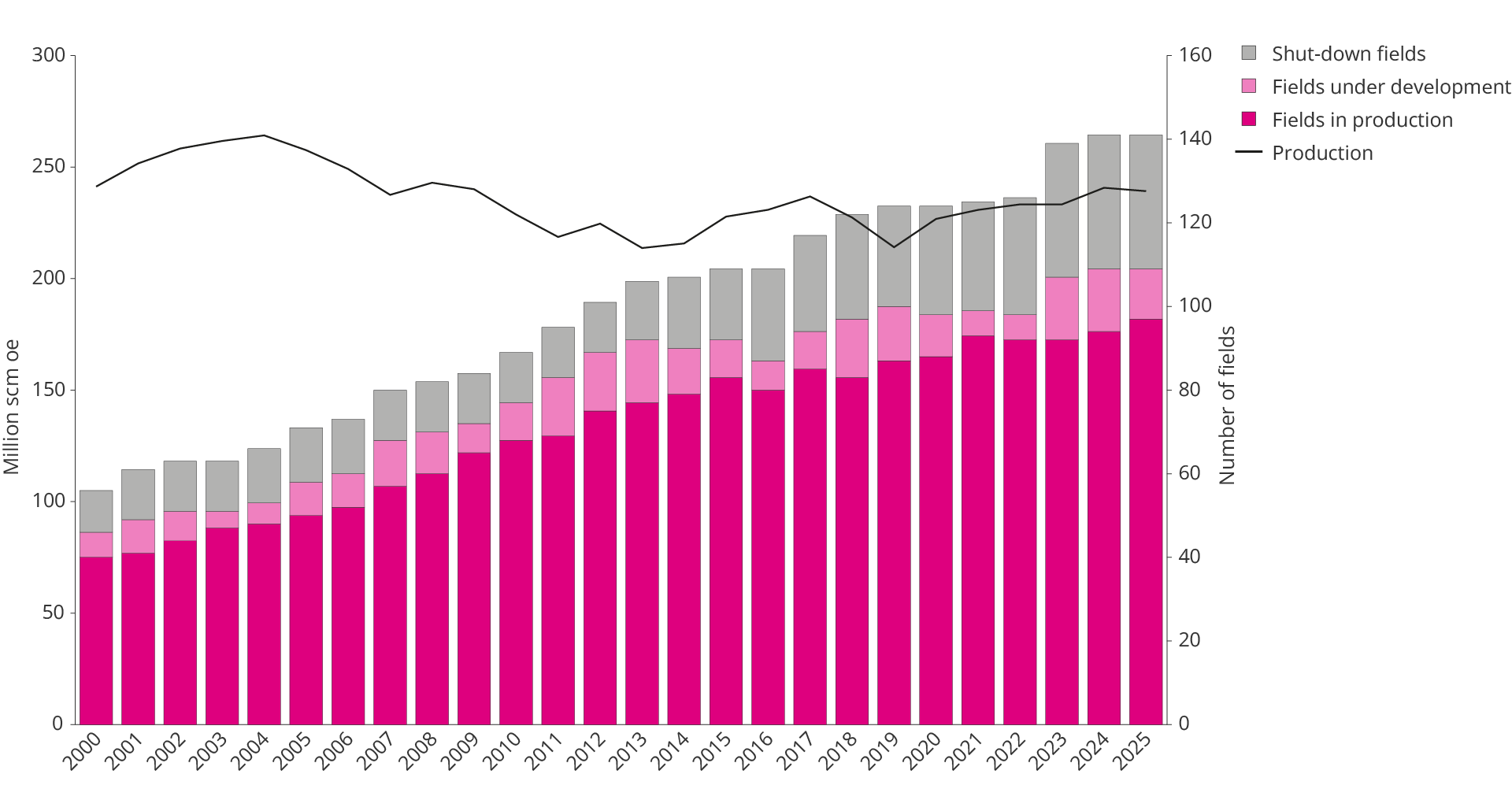
Figure 3.1 Number of fields as of 31 December each year and total production on the shelf over time
Production has gradually shifted from oil to gas. The gas proportion increased markedly from the mid-2000s and has remained relatively stable since then (Figure 3.2).
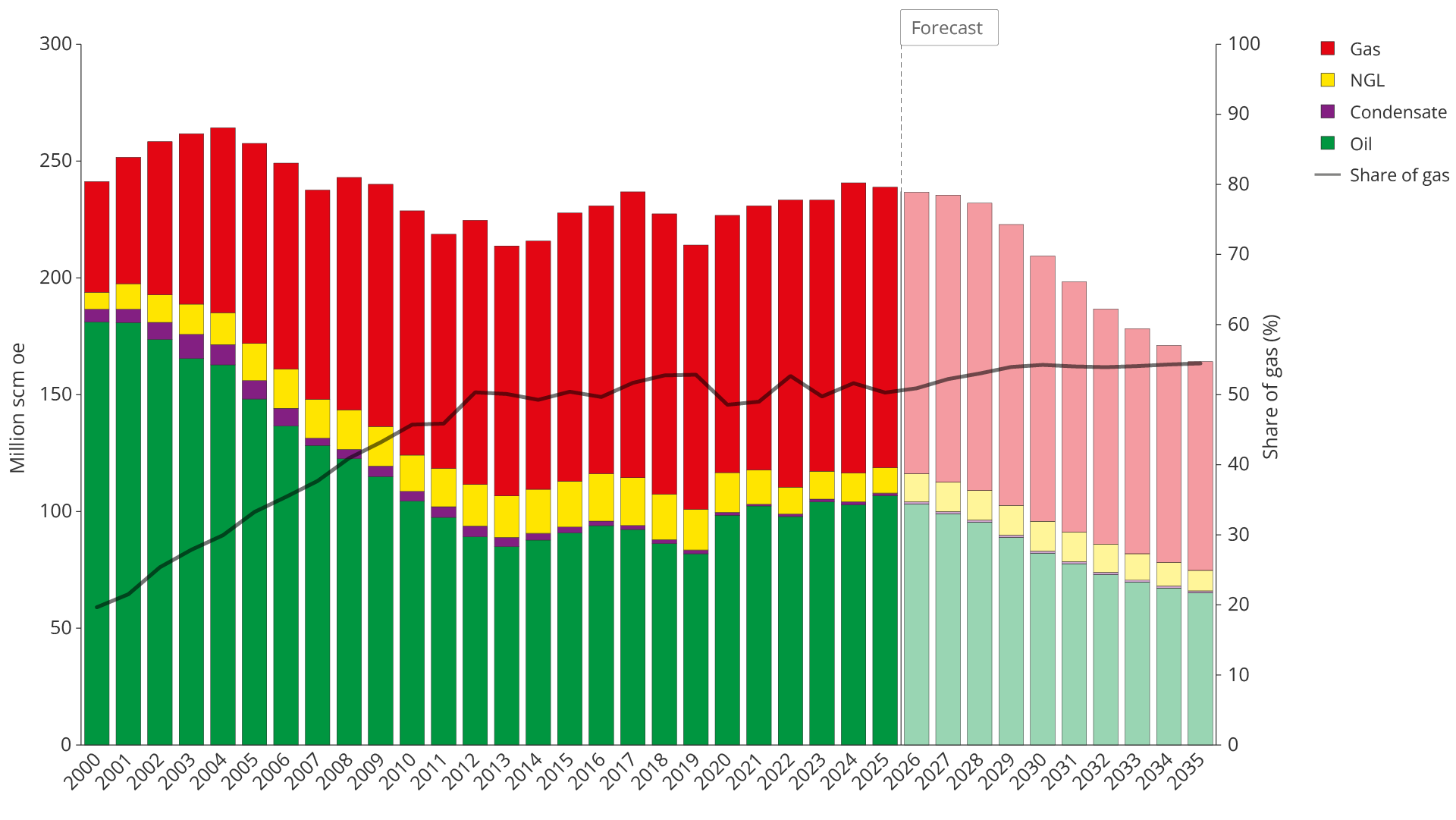
Figure 3.2 Historical production development from 2000 and forecasts up to 2035
Total petroleum production is expected to remain at a high level until the end of the 2020s, before declining gradually towards 2035. This is despite several new fields coming on stream and measures being implemented to improve recovery on fields already in operation.
If the production forecast up to 2035 is based only on contributions from producing fields and approved development projects for new fields, total production will fall markedly throughout the period. As Figure 3.3 illustrates, resources awaiting development decisions in the fields and discoveries must contribute increasingly towards curb this decline. These resources account for an increasing proportion of the expected production towards 2035. In the longer term, exploration will play an increasingly crucial role.
Decisions on further development of resources in fields and discoveries, together with continued exploration activity, contribute to slowing the decline in production, maintaining production and securing long-term value creation on the NCS.

Figure 3.3 Production forecast by field, discovery and undiscovered resources in the period 2026–2035
Rising costs challenge profitability
As fields age and production declines, the cost per unit produced increases. This weakens profitability, especially in the late phase of the field’s lifetime. Ageing facilities require more maintenance and more frequent inspections, while the depletion of reservoirs results in increased water production and higher technical complexity in operations.
It is also difficult to adapt costs related to staffing, logistics and emergency preparedness to declining production. As production levels diminish, unit costs increase further, putting additional pressure on late-phase profitability.
The development in operating costs is also affected by cost levels in the supplier industry. The main reason for the decline in costs after 2014 was lower supplier prices, while the increase from 2021 is largely due to higher electricity prices in particular. Figure 3.4 illustrates the historical development in operating costs per unit produced.
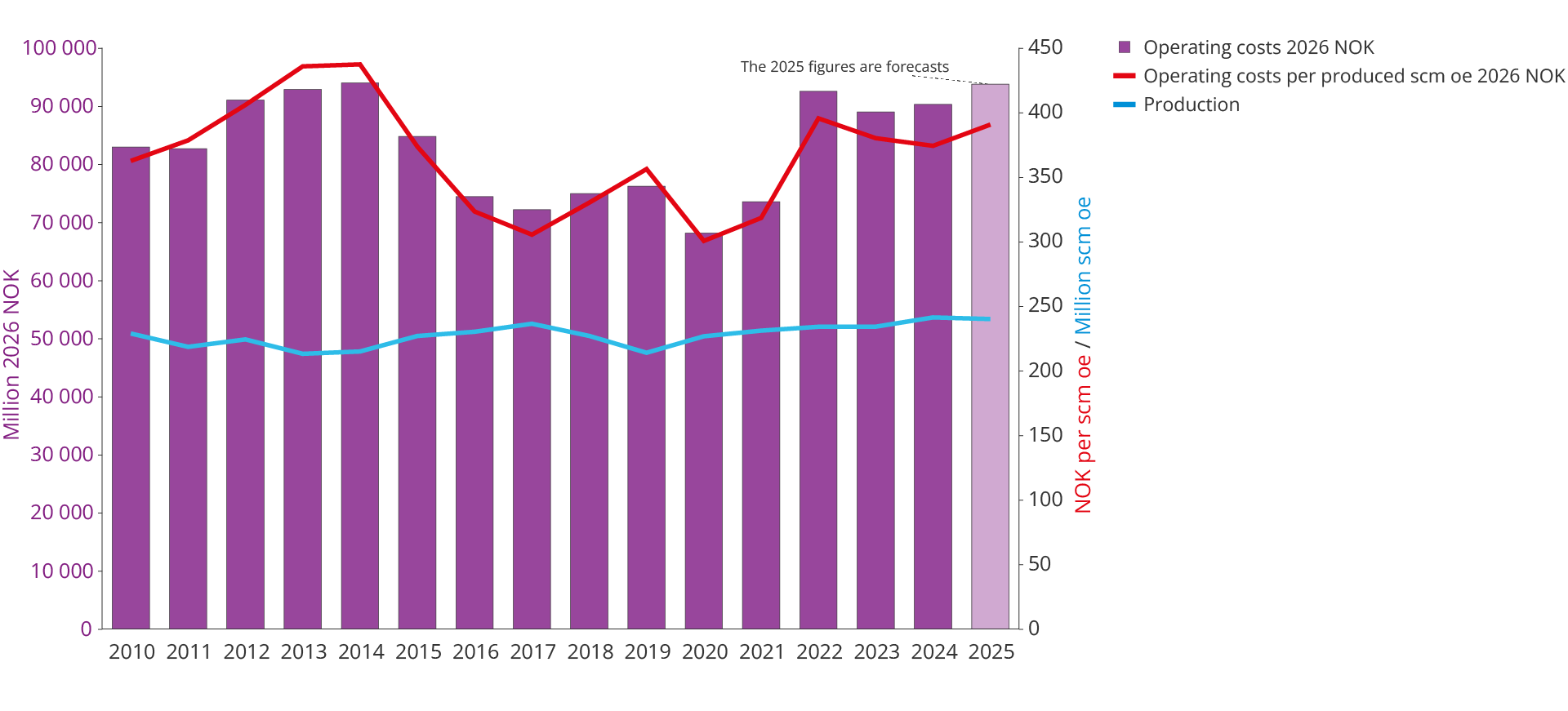
Figure 3.4 Development in operating costs, production and operating costs per unit produced 2010–2025
Improved recovery can curb the decline in production
Many fields on the NCS are likely to be shut down with significant resource volumes remaining in the reservoirs. If these resources are to be developed, targeted measures are required to improve recovery. Such measures can curb the decline in production and extend the fields’ lifetime.
Figure 3.5 shows the 25 oil fields with the largest remaining oil resources as of 31 December 2025. The volumes marked in light green illustrate the potential for improved recovery.
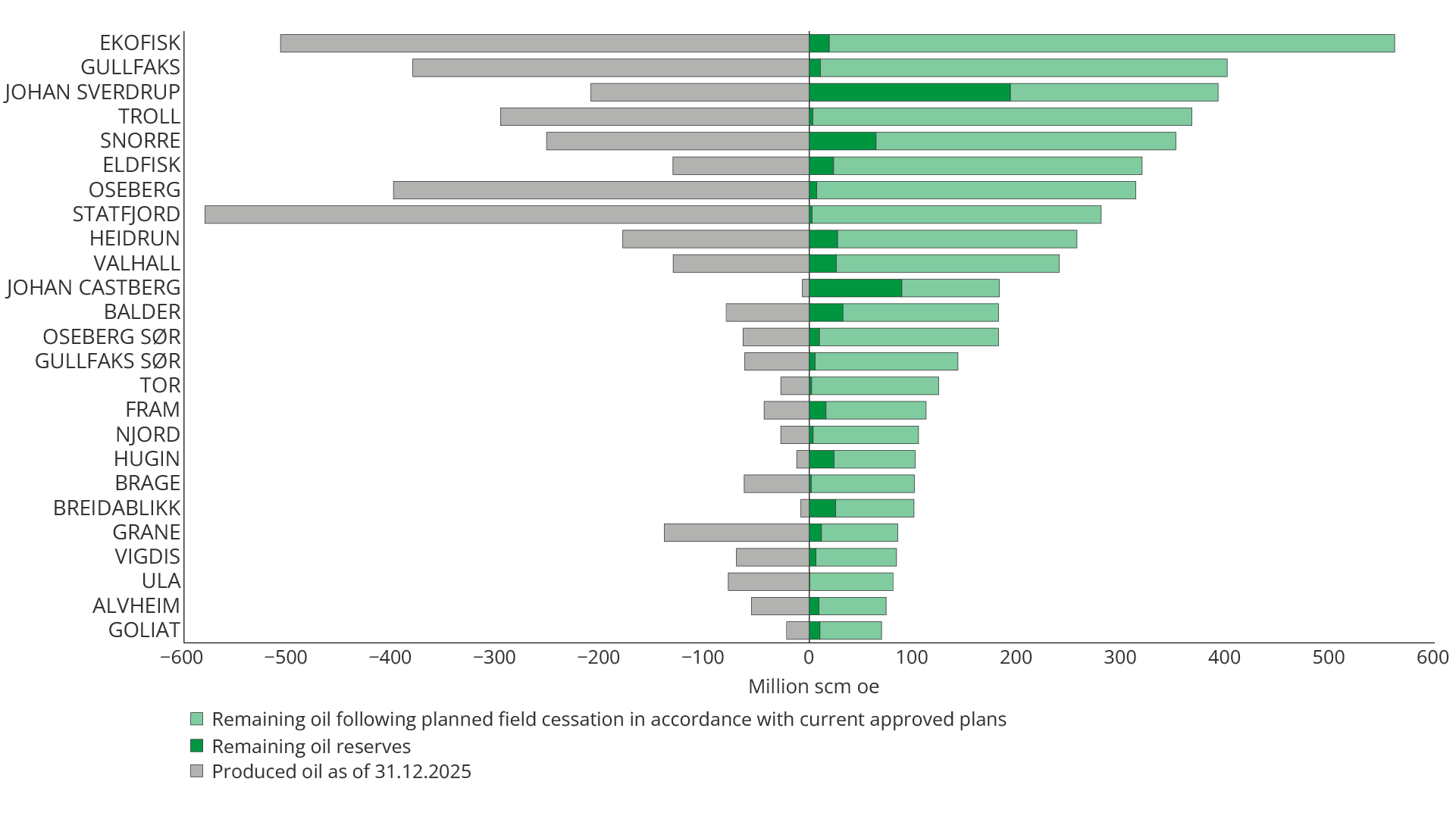
Figure 3.5 25 oil fields with the largest remaining resources as of 31.12.2025
How can we extract more oil and gas from the fields?
Petroleum production normally starts with natural recovery, where the reservoir's own pressure and drive mechanisms help oil and gas flow towards the wells. On many NCS fields, however, water and/or gas injection is included in the development solution from start-up to support the reservoir pressure and achieve the recovery rate upon which the original development plan is based. Such pressure support measures are thus often part of the original development concept and are not in themselves considered measures for improved recovery.
To increase the recovery rate beyond the basis for the originally planned drainage strategy, separate measures can be implemented later to improve recovery. Such measures are often divided into conventional and advanced methods, depending on the choice of technology and complexity. The figure shows examples of measures to improve recovery from producing fields under Norwegian conditions.
Conventional measures, or so-called IOGR (improved oil and gas recovery), are measures for improved recovery which are based on the use of established technologies in producing fields to improve drainage strategies and increase the recovery rate. The purpose is to recover some of the remaining resources that would not otherwise have been produced.
Advanced measures, or so-called EOGR (enhanced oil and gas recovery), include methods that can increase the recovery rate beyond that achievable by conventional methods. The measures aim to enhance the sweep in the reservoir, either by draining a larger volume of the reservoir (increased macroscopic sweep) or by reducing the amount of residual oil in the porous structures (increased microscopic sweep).
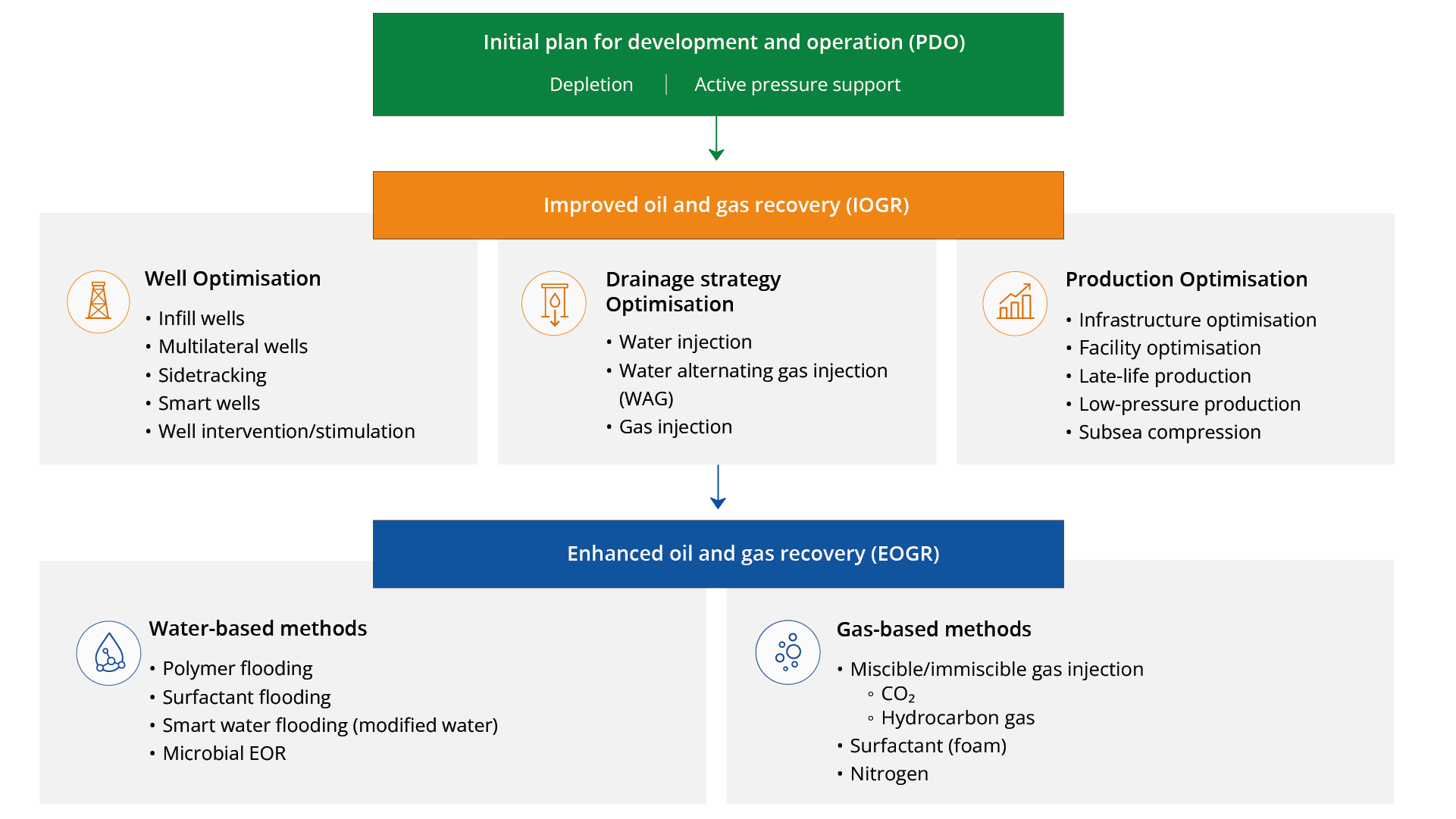
The figure shows examples of measures to improve recovery from producing fields under Norwegian conditions.
The NCS has an average recovery rate of approximately 50 per cent. For gas, the recovery rate is even higher. Nevertheless, large volumes remain in the reservoirs. These cannot be extracted using current technology and methods.
Experience from the NCS shows that long-term, systematic work on improved recovery has added considerably to the recoverable resources. The licensees map the resource base on an ongoing basis and assess measures to improve recovery from producing fields.
In the report to the Revised National Budget (RNB) 2026, the companies reported around 145 specific improved recovery projects awaiting development decision. The projects correspond to an estimated 280 million scm oe, approximately 50 million scm oe lower than in the previous resource report. The decline can partly be explained by the fact that some of the projects have matured and been transferred to the reserves category.
The registered projects are divided into five main categories; drilling of development wells, further development, low-pressure production, late-phase production, as well as injection and advanced methods as illustrated in Figure 3.6. Of these, only advanced methods are included in EOGR, while the other categories are considered IOGR.
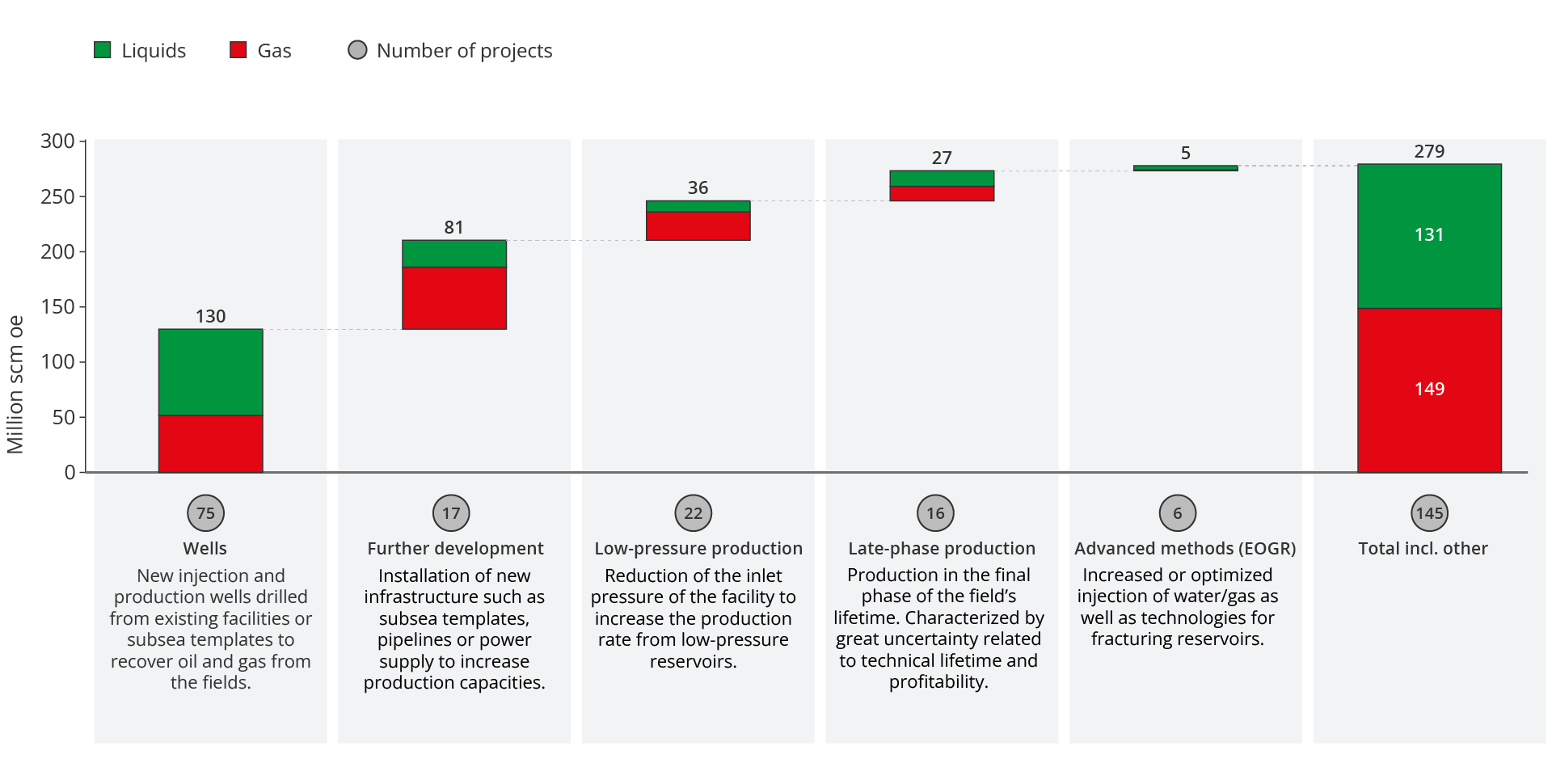
Figure 3.6 Concrete measures awaiting development decision reported in 2025
New wells contribute most to improved recovery
Among the conventional measures for improved recovery (IOGR), wells are by far the largest single category, accounting for around half of the reported projects.
Figure 3.7 shows the significance of drilling new wells to maintain production from existing fields. In 2025, more than 60 per cent of oil production came from wells drilled and put on stream after 2020. To illustrate the contribution from new wells in mature fields, production from fields that came on stream after 2020 has been excluded.
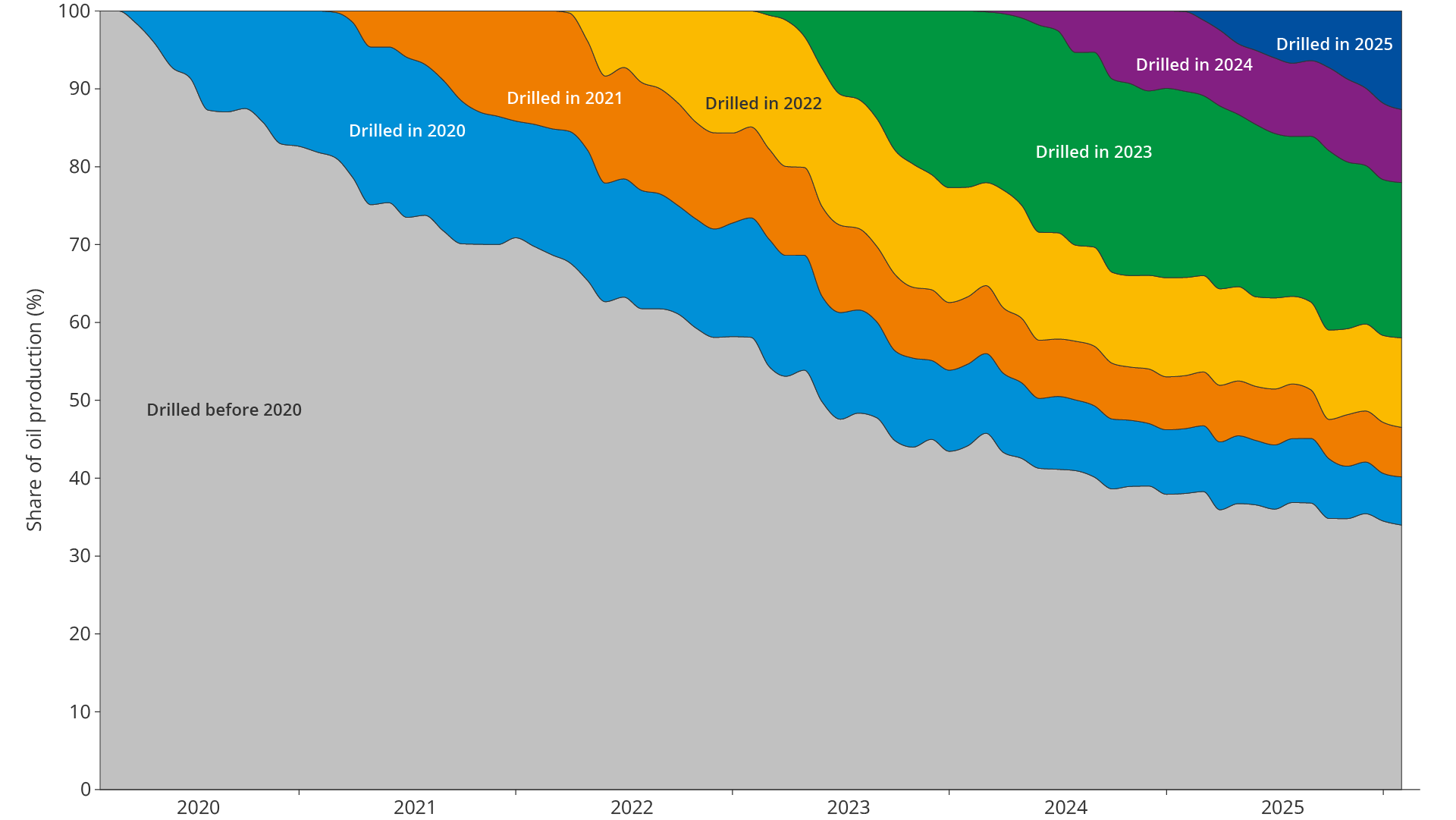
Figure 3.7 Proportion of oil production after the well's start-up year
The development in the number of new development wells (production and injection) per year in the period 2000–2025 is shown in Figure 3.8.
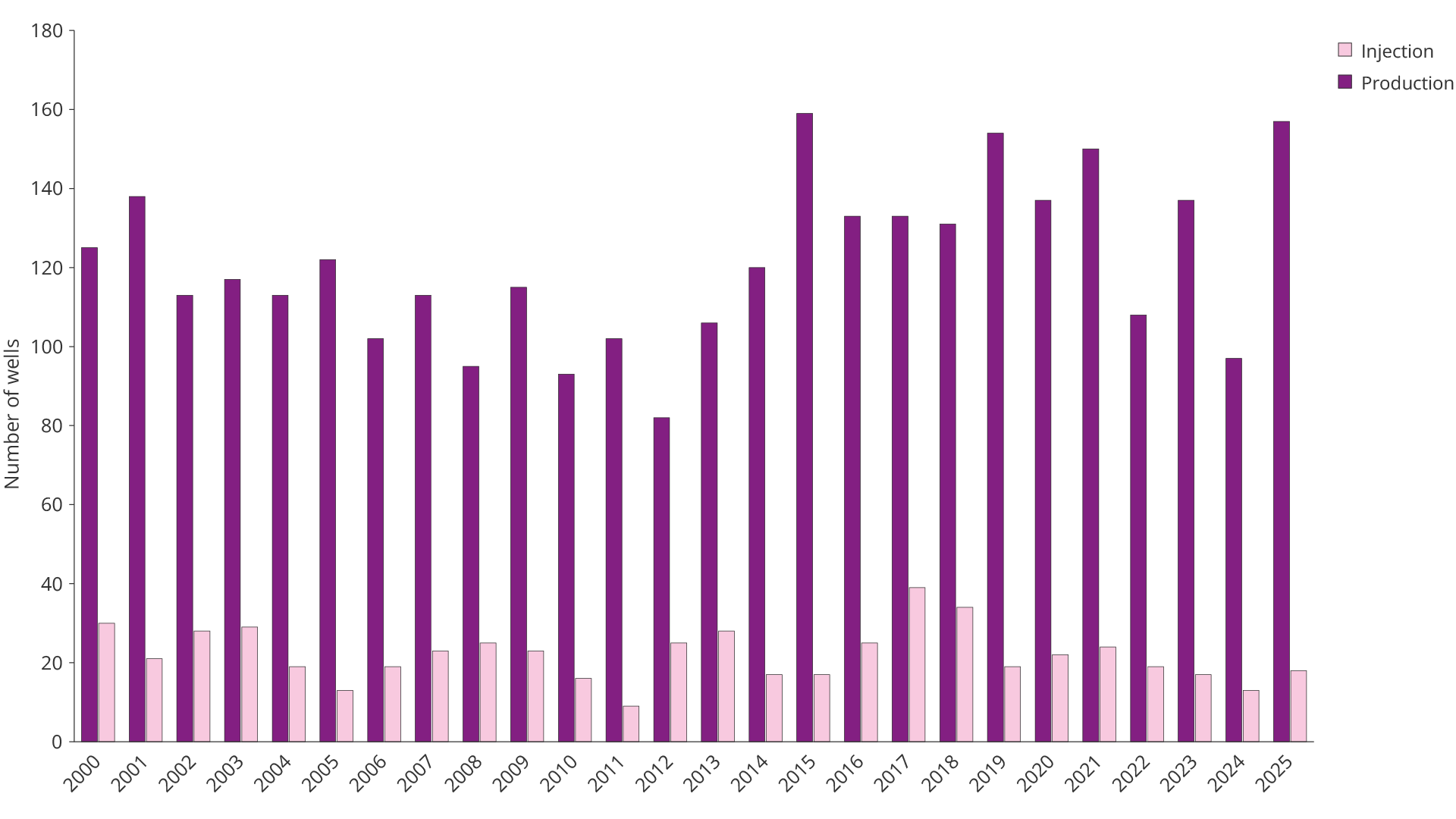
Figure 3.8 Number of development wells on the NCS 2000–2025
Drilling of development wells has varied considerably since 2000, with a clear decline up to the early 2010s before levels picked up again.
In recent years, drilling activity has been higher, driven by measures on mature fields and increased activity following the temporary tax changes of 2020. With 175 wells spudded, 2025 is one of the years with highest drilling activity since the peak year of 2015.
Further drilling is crucial to maintain production and value creation, particularly as production declines on the shelf. Despite the importance of new development wells to maintain production in mature fields, strict profitability requirements can lead to well targets with significant value potential not being developed.
EOGR is not prioritised by the industry
Advanced methods for enhanced recovery (EOGR) account for only four per cent of the specific projects related to improved recovery, whilst the technical potential is considerable.
Many EOGR concepts are not implemented due to technical uncertainty, strict internal profitability requirements, limited access to miscible gas for injection, challenges related to chemical classification and strict environmental requirements.
New EOGR solutions are associated with market failure in the form of positive externalities, because the individual operator bears the entire risk and cost of technology development, while the benefits accrue to several players over time.
At the same time, the increased use of break-even price as a decision-making criterion, particularly since the oil price drop in 2014–2015, contributes to the development of only the most commercially profitable projects. This in turn results in systematic underinvestment in the development of new EOGR solutions compared to what is economically beneficial for society.
International experience shows that advanced EOGR methods can improve recovery. Examples of this are CO2 injection in Brazil and polymer injection and smart water injection in the UK(7)(8)(9).
On the NCS too, there is considerable technical potential for improved recovery through advanced EOGR methods. However, the time window for realising this potential is limited. The room for manoeuvre for new measures diminishes gradually as the time for shutting down a field approaches. Further technology development may nevertheless influence the situation, rendering measures previously downgraded relevant again.
How to develop and realise more EOGR projects?
How enhanced recovery (EOGR) can be achieved has been assessed in two public reports. One is the Recovery Committee's report on increased recovery on the NCS(10), hereinafter referred to as the Åm Committee. The second is the Office of the Auditor General's investigation into the authorities' efforts to improve oil recovery from mature areas on the NCS(11).
Measures which are still relevant
The reports point to several measures to increase the use of EOGR. In particular, the need to strengthen and target PETROMAKS and DEMO 2000 towards EOGR projects is highlighted.
They also recommend a forum for EOGR pilots across the production licences, with clear responsibilities and tasks, as well as increased capacity and a clearer mandate for Petoro to drive forward EOGR on priority fields.
Frameworks, incentives and environmental assessments
Both reports point to the handling of chemical projects as a key barrier for EOGR. Projects are halted prematurely, both by internal assessments and external environmental requirements.
The Åm Committee recommended a more comprehensive process by the authorities, based on overall cost-benefit analyses. The Office of the Auditor General also pointed out that companies often use higher required rates of return and a shorter time horizon than government advisers, for example by using break-even pricing as a decision-making criterion.
The state’s role through Petoro
The reports show that business economic assessments often result in too little investment in EOGR and point to the need for public policy instruments.
The Åm Committee recommended strengthening Petoro's role in assessments of long-term measures on mature fields. The Office of the Auditor General pointed out that Petoro has been a driving force for several EOGR pilots, but that capacity is limited.
Both reports also highlighted access to CO₂ as an important prerequisite for CO₂-based EOGR, and the need to see CO₂ storage and EOGR in context.
New technology boosts recovery
Technological innovation makes it possible to increase recovery from remaining resources at lower costs and with improved utilisation of existing infrastructure.
Continuous assessment, maturation and implementation of new technology is an important prerequisite for prudent recovery of petroleum resources, cf. Section 4-1 of the Petroleum Act(12). In its technology strategy, the Norwegian Offshore Directorate has identified the technology areas where implementation is currently insufficient, and where the potential for increased value creation is greatest(13).
Examples of technology which increases recovery, reduces unit costs and extends the lifetime of fields on the NCS:
- Smart production wells with sensors, controllable valves and real-time monitoring make it possible to control production
more precisely between different zones in the reservoir. This in turn enables the reduction of unwanted water and gas production. The result is better resource utilisation and a longer lifetime for the field. - 4D seismic and machine learning-based interpretation methodology provide superior seismic imaging, increased understanding of fluid movement in the reservoir and a better basis for decision-making on the location of new wells and the choice of appropriate recovery measures.
- A new generation of subsea systems can be operated more efficiently from shore and adapted to changing needs throughout the field's lifetime.
Remote control and digitalization improve operations
Remote control and operation from shore is a key measure for improving cost efficiency. When operations, monitoring and decision support are moved to integrated operations centres onshore, offshore staffing can be reduced. Also, expertise can be utilised more flexibly across fields and facilities. This results in lower costs, less exposure for employees and swifter handling of deviations and operational challenges.
The Munin facility is a concrete example which illustrates how digitalisation can enable profitable operations at production levels which were previously unsustainable (see fact box).
Remote control of the Munin facility
Munin is an unmanned production facility which is part of the Yggdrasil development in the North Sea, and will be operated without permanent employees offshore. The facility will be operated and monitored from shore using modern digital solutions. Production, monitoring and technical control will be followed in real time through sensors and automated systems. Operators onshore will have a continuous overview of processes, pressure, temperature and technical condition, and will be able to intervene rapidly in the event of deviations or the need for measures.
Lower costs and increased safety
Remote control contributes to lower operating costs, reduced need for helicopter transport and increased safety by reducing the number of people offshore. The solution also facilitates a more efficient use of expertise and provides more stable and predictable operations. Munin shows how digitalisation and new technology can lay the foundation for cost-effective and safe operations on the NCS.
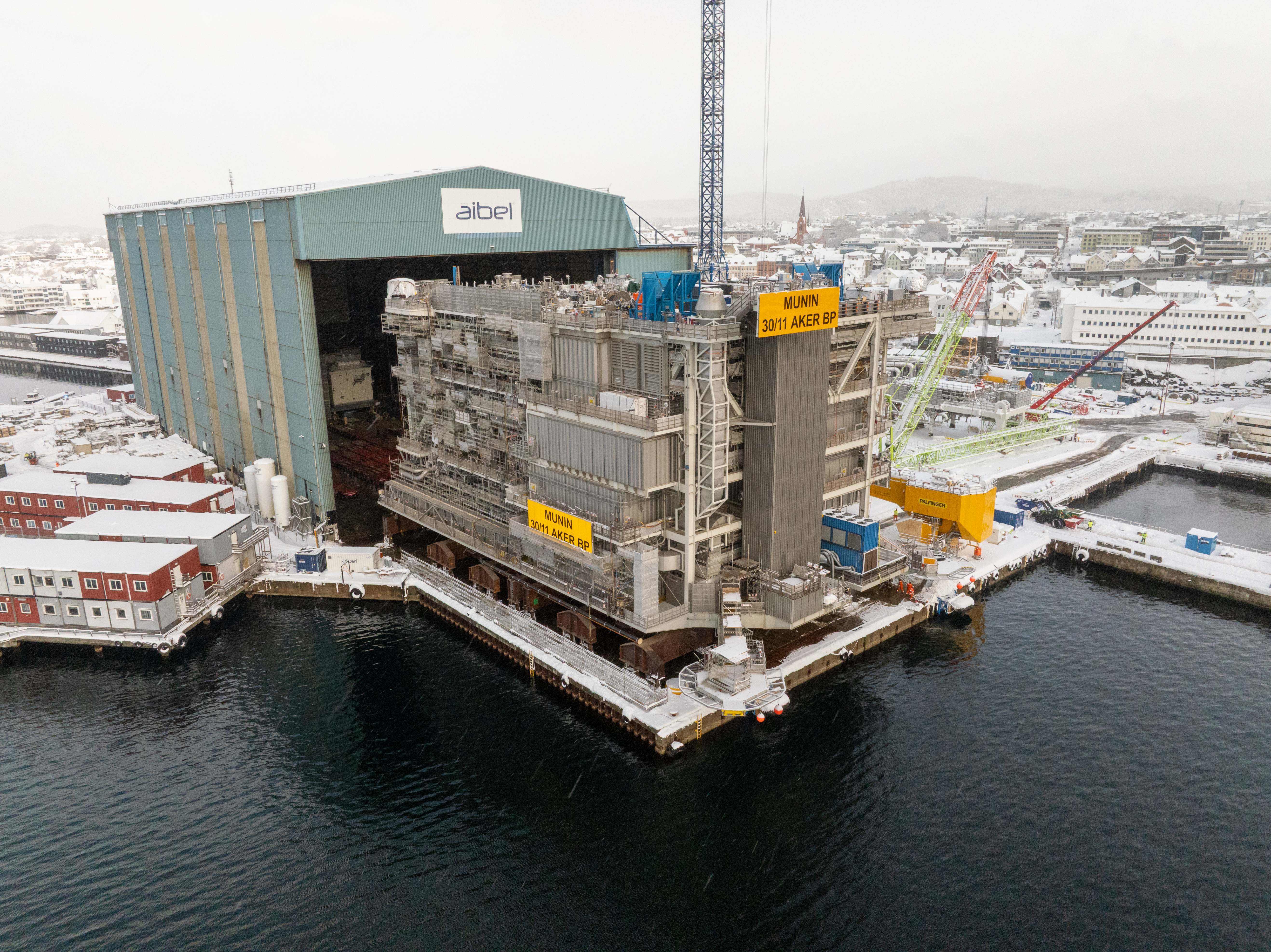
Munin is an unmanned production facility that is part of the Yggdrasil development in the North Sea. (Photo: Aibel/Woldcam)
Digital twins, advanced reservoir monitoring and coordinated operations between facilities provide further efficiency gains. Standardised solutions and sharing of infrastructure across fields contribute to economies of scale and improved capacity utilisation. Overall, this strengthens the basis for cost-effective operation and extended lifetime of the production facilities.
New players revitalise mature fields
In recent years, several new companies have established themselves on the NCS with a clear strategic focus on improved recovery from mature fields and extended lifetime of existing facilities. The companies have often taken over field shares from major international oil companies and specialised in efficient operations, targeted investments and active reservoir follow-up in late-phase fields. In many cases, this has resulted in a higher recovery rate and substantial value creation beyond previous estimates.
Figures 3.9 and 3.10 show the development of remaining reserves in the Draugen and Balder fields before and after the change of operator. The examples illustrate that a change of operator can contribute to improved recovery and extended lifetime for mature fields.
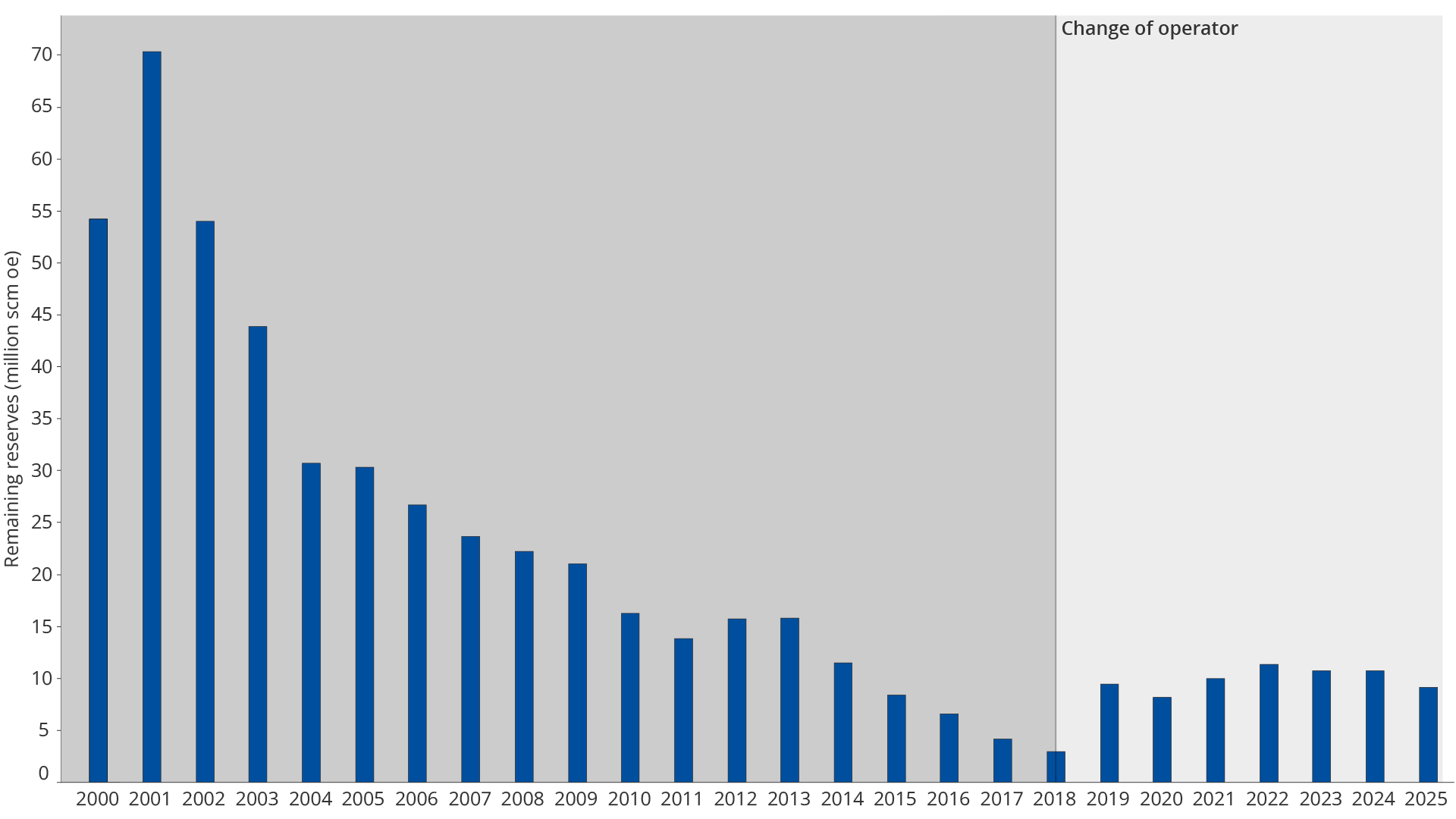
Figure 3.9 Development in remaining reserves for the Draugen field before and after change of operator
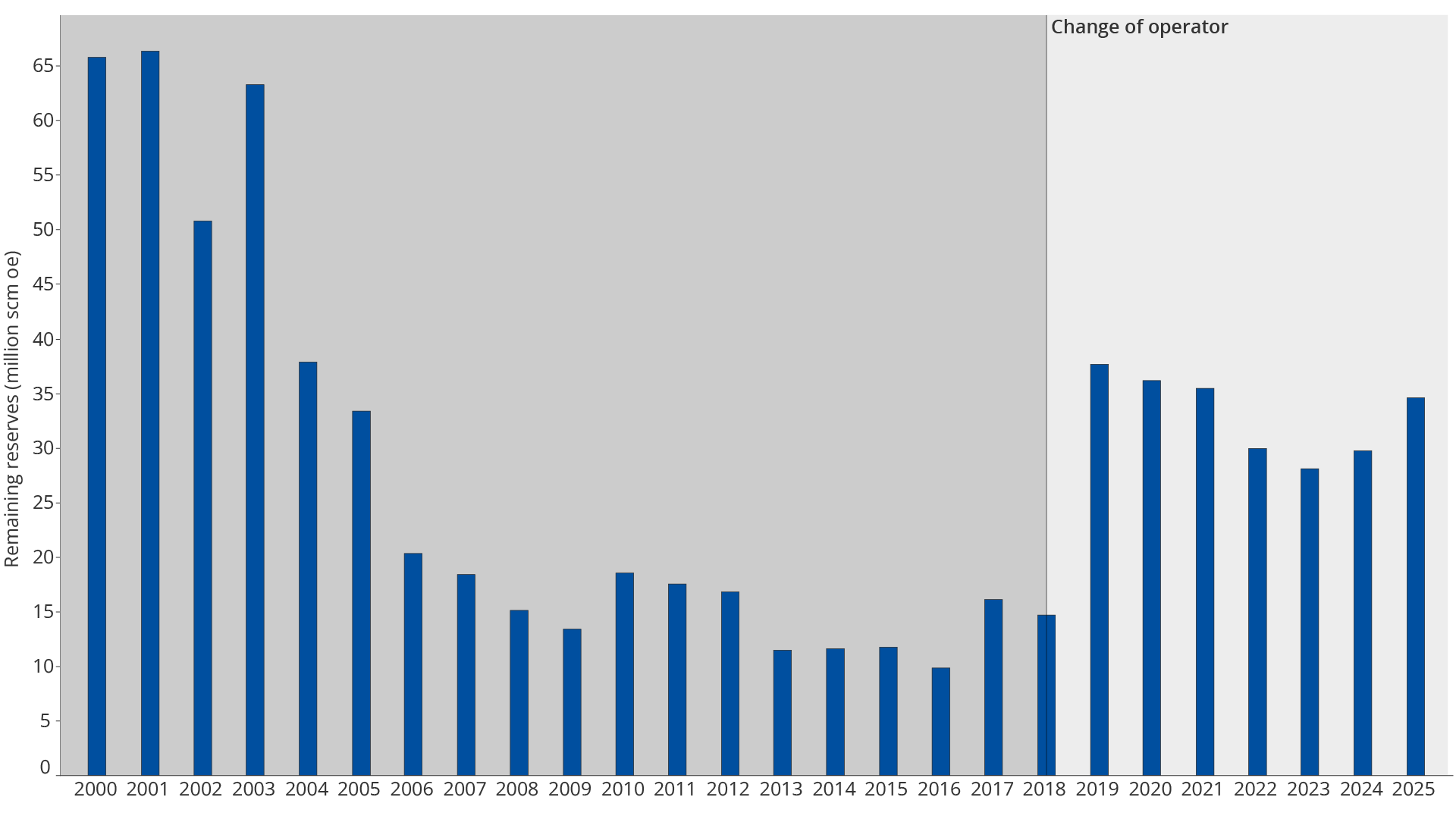
Figure 3.10 Development in remaining reserves for the Balder field before and after change of operator
New opportunities in shut down fields
Reopening of shut down fields may become more relevant as technology develops, cost levels are reduced and existing infrastructure is better utilised. Such projects can provide access to resources that would otherwise have been left behind.
Historically, this practice has not been widespread on the NCS, but developments in the Greater Ekofisk Area have changed the picture. The Tor field was shut down in 2015 after only around 20 per cent of its resources had been produced and was reopened in 2020. The Tor II project is a simplified subsea development tied back to existing infrastructure (Figure 3.11).
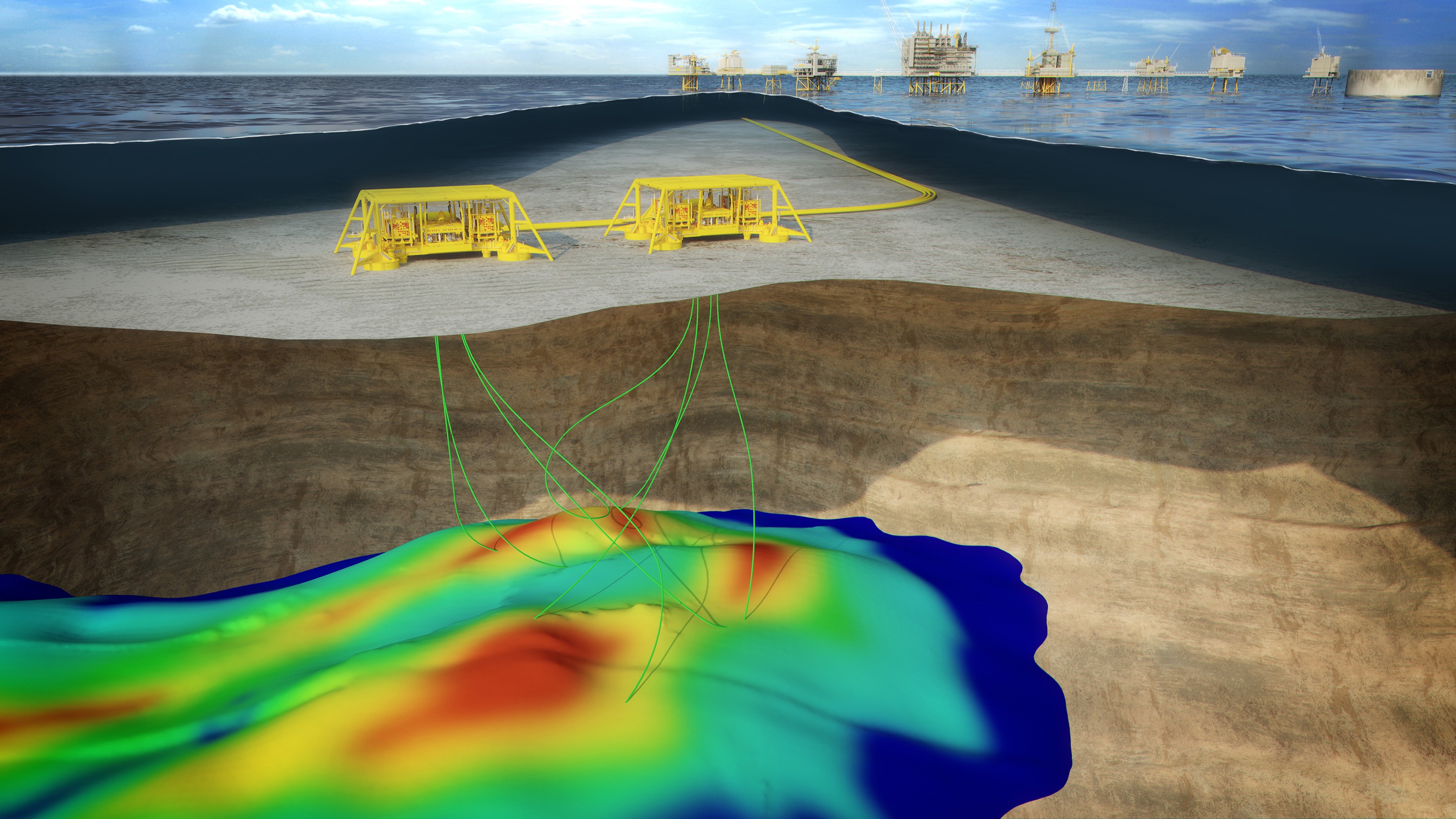
Figure 3.11 Tor 2/4 E. Tor II came on stream on 4 December 2020 from an SPS (Subsea Production System) tied back to the Ekofisk complex. Photo: ConocoPhillips
The experience has contributed to new redevelopments in the area. Albuskjell, Vest Ekofisk and Tommeliten Gamma, all of which were shut down at the end of the 1990s, are set to be developed as subsea installations tied back to the field centre on Ekofisk. In total, the projects may contribute around 14–19 million scm oe, with production planned to start in the period 2028–2029.
Development of resources in discoveries
The discovery portfolio on the NCS currently consists mainly of small discoveries. In total, the discovery portfolio contains 91 discoveries with a total of 526 million scm oe in contingent resources. The main picture is one of many smaller discoveries that are dependent on infrastructure with spare capacity in order to be developed. The largest discoveries are the 7324/8-1 (Wisting) oil discovery in the Barents Sea, the 6406/9-1 Linnorm gas discoveries in the Norwegian Sea and 35/2-1 (Peon) in the North Sea. Figure 3.12 shows all discoveries that have not yet been developed, categorised by size within each sea area.
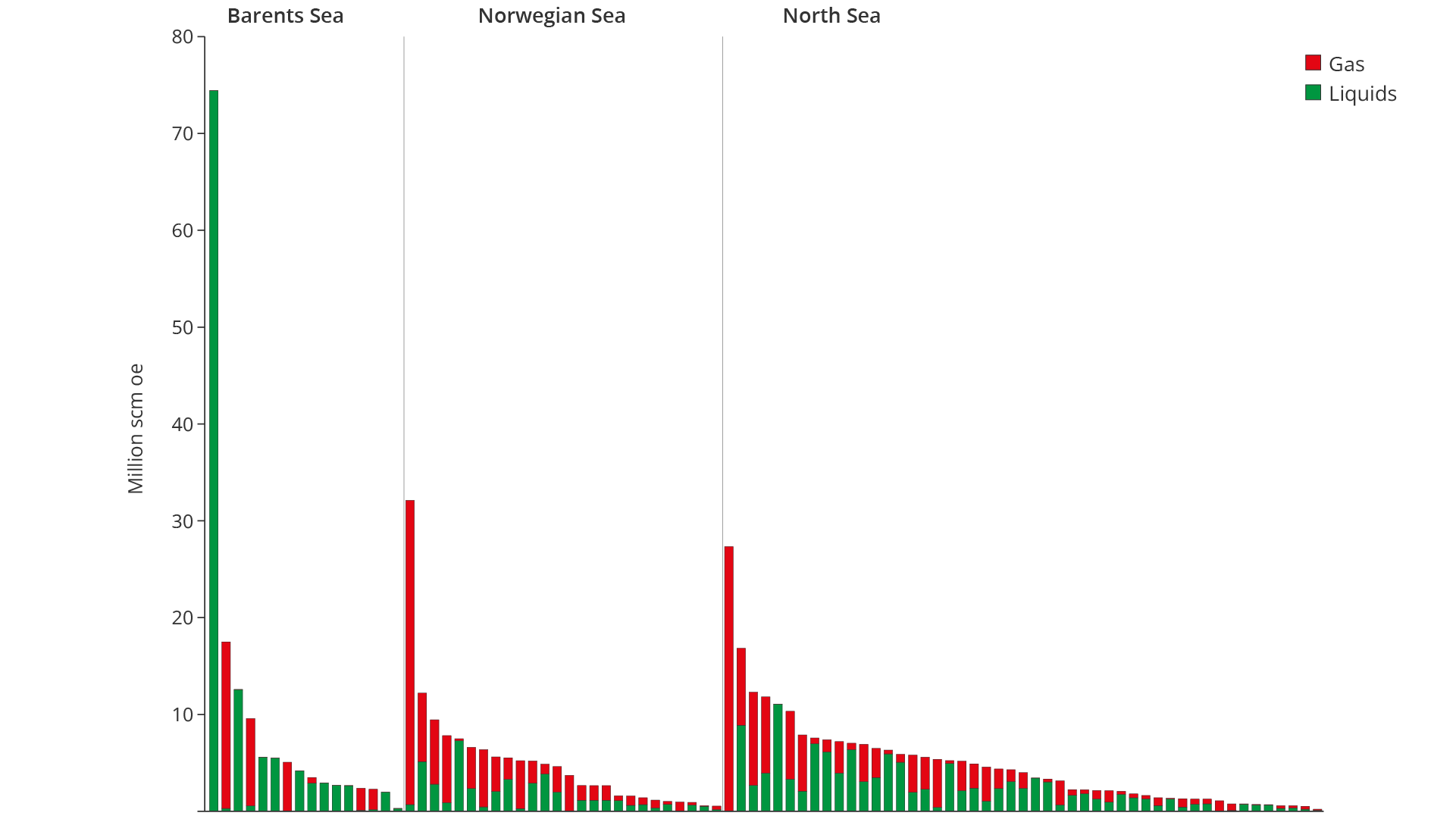
Figure 3.12 The discovery portfolio by sea area as of 31.12.2025
Development of discoveries
Profitable development of the current discovery portfolio largely requires tie-back to existing infrastructure, either as subsea developments or as wells from existing facilities.
Figure 3.13 shows that discoveries on the NCS are primarily planned to be developed as satellites tied back to existing fields.
Satellite developments result in lower investment costs than stand-alone developments and make it possible to recover resources that would otherwise have been unprofitable. This underlines the importance of access to existing infrastructure and spare capacity in host fields to be able to develop many of the small discoveries in the current portfolio.
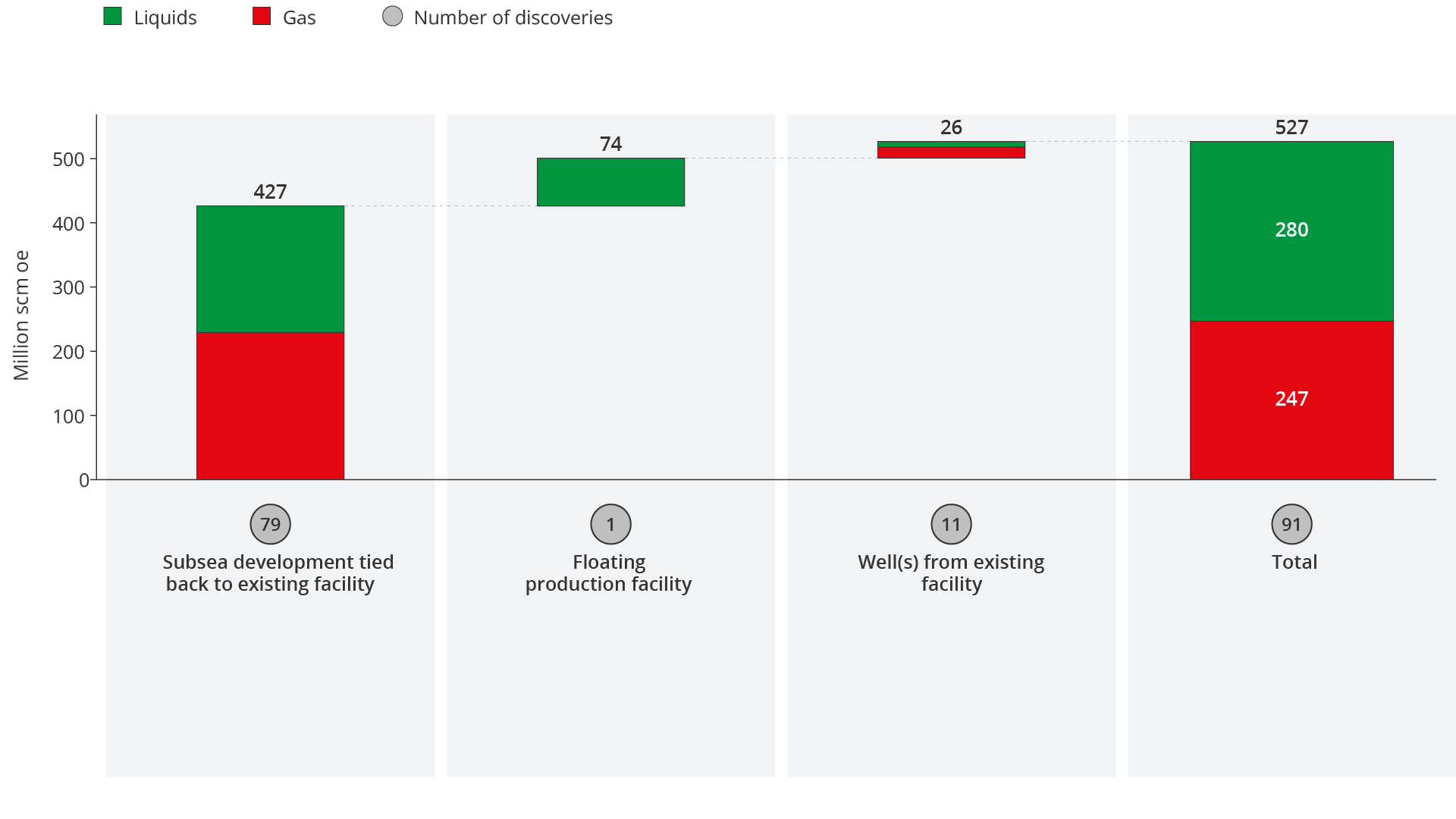
Figure 3.13 Possible development solutions for the development of discoveries
Figure 3.14 shows how tie-in of new discoveries can help lower unit costs and mitigate the decline in production from the host field. This can contribute to extending the lifetime of the field and provide incentives for further exploration in the area.
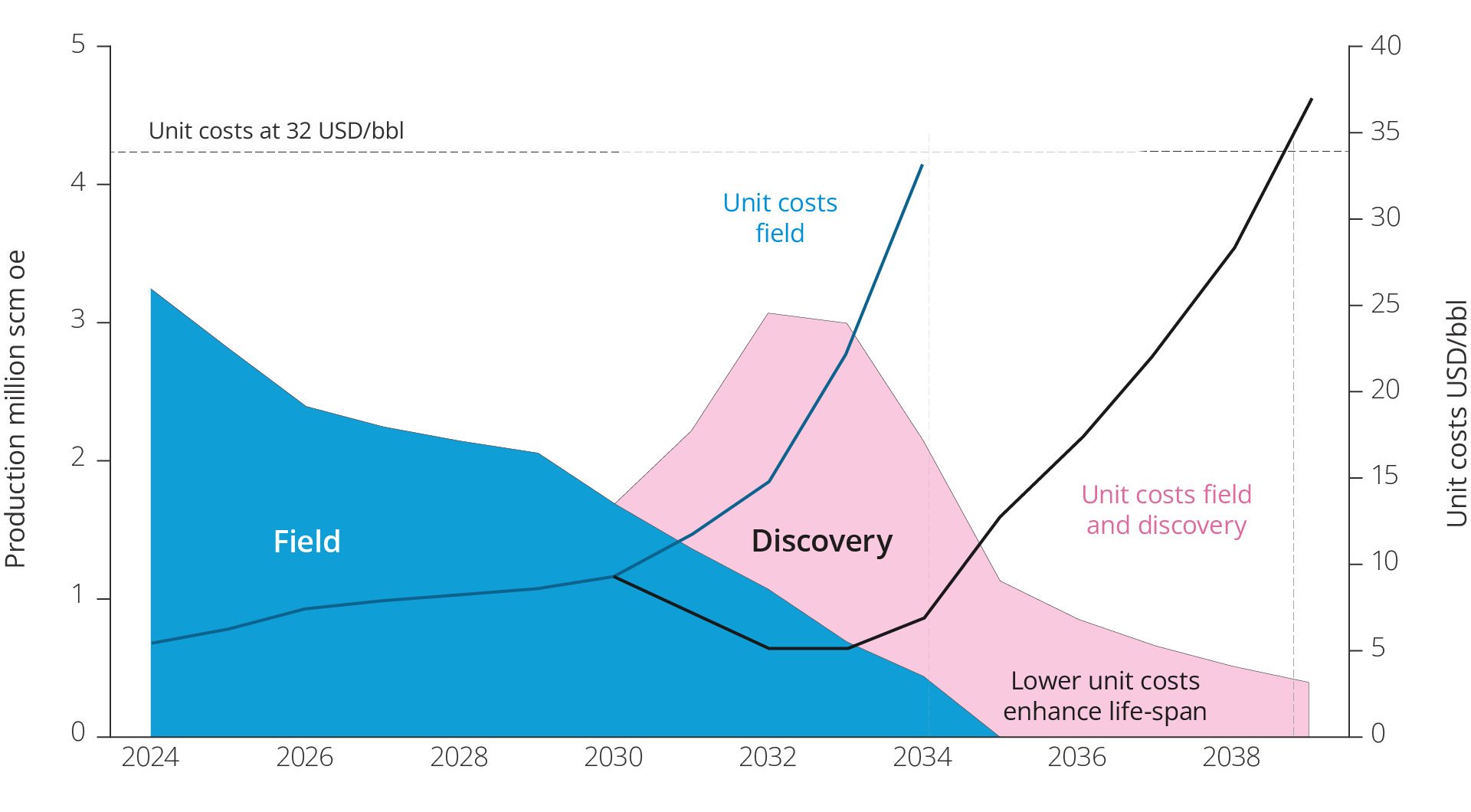
Figure 3.14 The example is taken from the NCS and demonstrates that new discoveries can help keep unit costs down
For subsea developments brought on stream in the period 2010–2025, lead times vary considerably (Figure 3.15). Lead time is defined as the time from discovery to production start-up. The figure shows how long it takes from when a discovery is made until it is in production, broken down into three phases:
- Dark blue: Time of discovery → concept selection (often the longest phase)
- Blue: Concept selection → approved development plan (PDO)
- Light blue: Approved development plan → production start
The most time-consuming phase is the period from discovery to concept selection, which takes an average of around 13 years. The second and third phases are generally shorter and more predictable. The lead time depends on discovery size, reservoir complexity, access to available infrastructure capacity and commercial maturation processes.
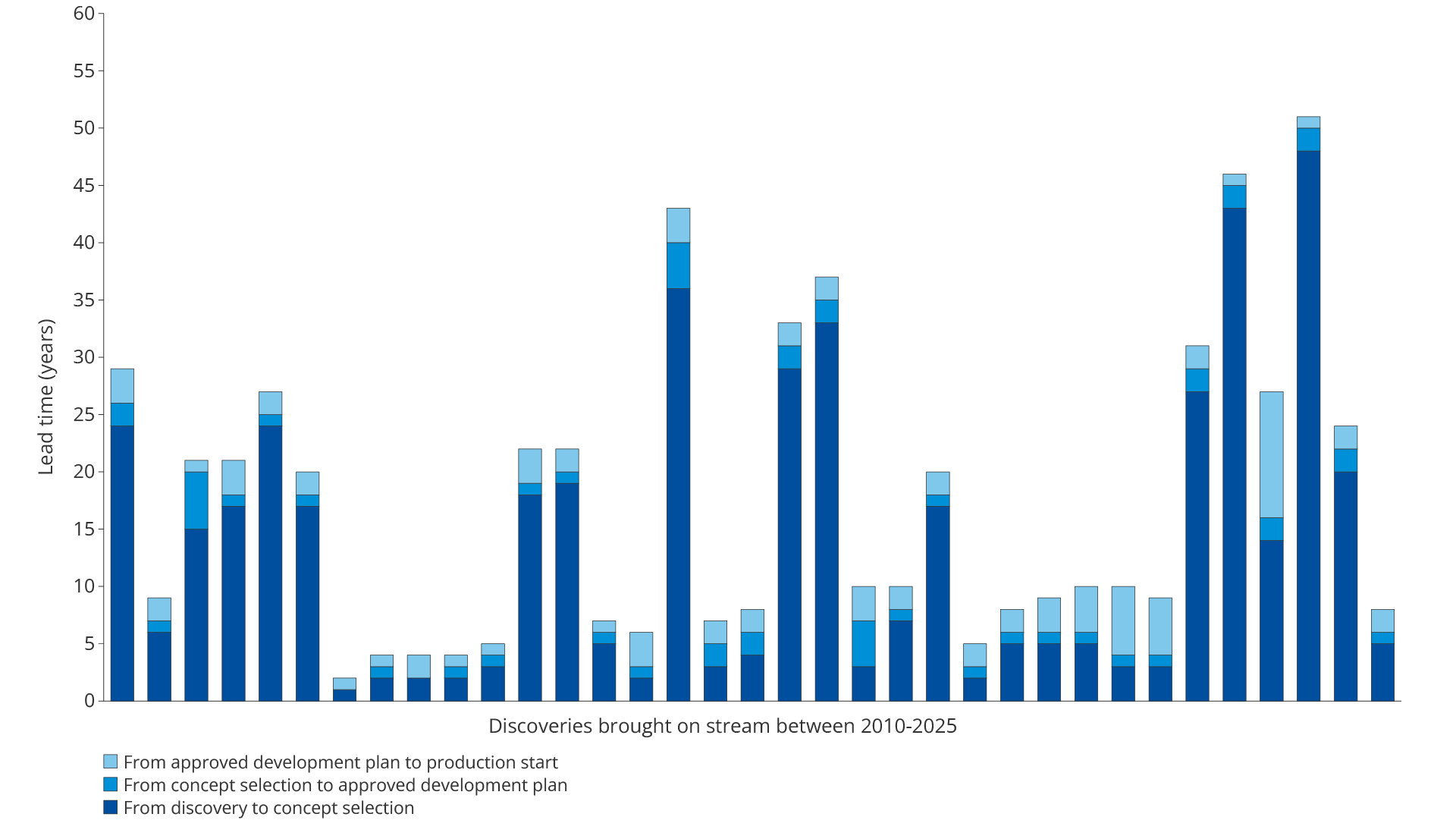
Figure 3.15 Lead time for the discoveries developed utilising a subsea solution and put on stream in the period 2010–2025
The longest lead times apply to discoveries having waited a long time for the right infrastructure, a sufficient resource base or the necessary technology maturity.
Lead time affects profitability via two mechanisms: increased capital tie-up, where discounting over a longer time horizon reduces the present value of future cash flows, and increased exposure to cost and price uncertainty.
The importance of lead time for profitability
A prospect with expected recoverable resources of 2.1 million scm oe is proven through an exploration well. A development decision with subsea facilities gives a total net cash flow of NOK 3.5 billion (dark orange column) at the time of the decision. With a two-year development period, this gives a net present value of approximately NOK 2 billion (light orange column).
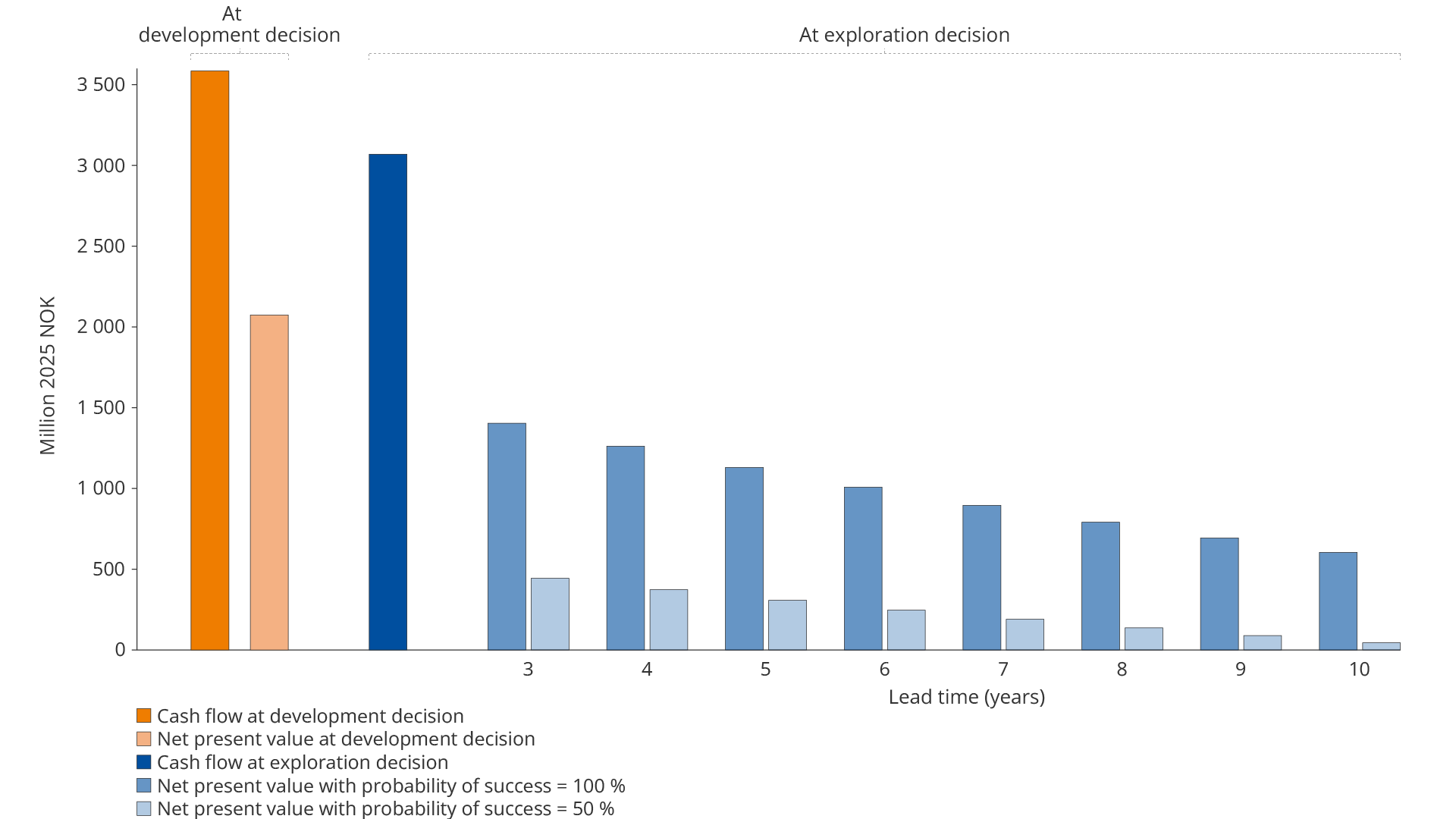
The value of the exploration well decision
When the analysis is moved back to the exploration well decision stage, the net cash flow is reduced to just under NOK 3 billion. The reduction is due to the inclusion of exploration costs (dark blue column).
Two factors further reduce profitability before the exploration well is drilled:
Lead time: A long time from discovery to production results in a lower present value because future cash flows are discounted by an interest rate of 8 per cent (medium blue bars). With a higher discount factor, the present value will be reduced further.
Probability of discovery: If the probability of discovery is reduced from 100 to 50 per cent, the expected present value is halved (light blue bars)
These conditions give an expected net present value of less than NOK 500 million with a three-year lead time, and less than NOK 100 million with a ten-year lead time.
Projects that appear profitable at the development decision stage may be marginal or unprofitable at the exploration well decision stage.
Long lead times, low probability of discovery and high yield requirements pull in the same direction and weaken the incentives for exploration. Shorter lead times may mean that more discoveries can be developed profitably.
Future tie-backs and joint development
The licensees can already in the development phase facilitate future tie-backs, for example through over-dimensioning of control cables and the establishment of tie-in points for new subsea templates. Over time, this can lay the foundation for coordinated area development, where several accumulations are connected to a common solution.
The Alvheim field is a good example of successful area development (see fact box). Such solutions require that the initial development is robust and sufficiently flexible to bear its own costs and facilitate subsequent tie-backs.
Resource development in the Alvheim field
The Alvheim field, located in the central part of the North Sea, demonstrates how long-term area development can result in significantly more production than originally planned. The production increase is due to both higher recoverable resources in the field itself and tie-back of several third-party fields which have contributed new volumes.
The potential in the Alvheim area has still not been fully exploited. A further increase in total production can occur through measures to improve recovery and develop new nearby fields, based on existing infrastructure and shared solutions.
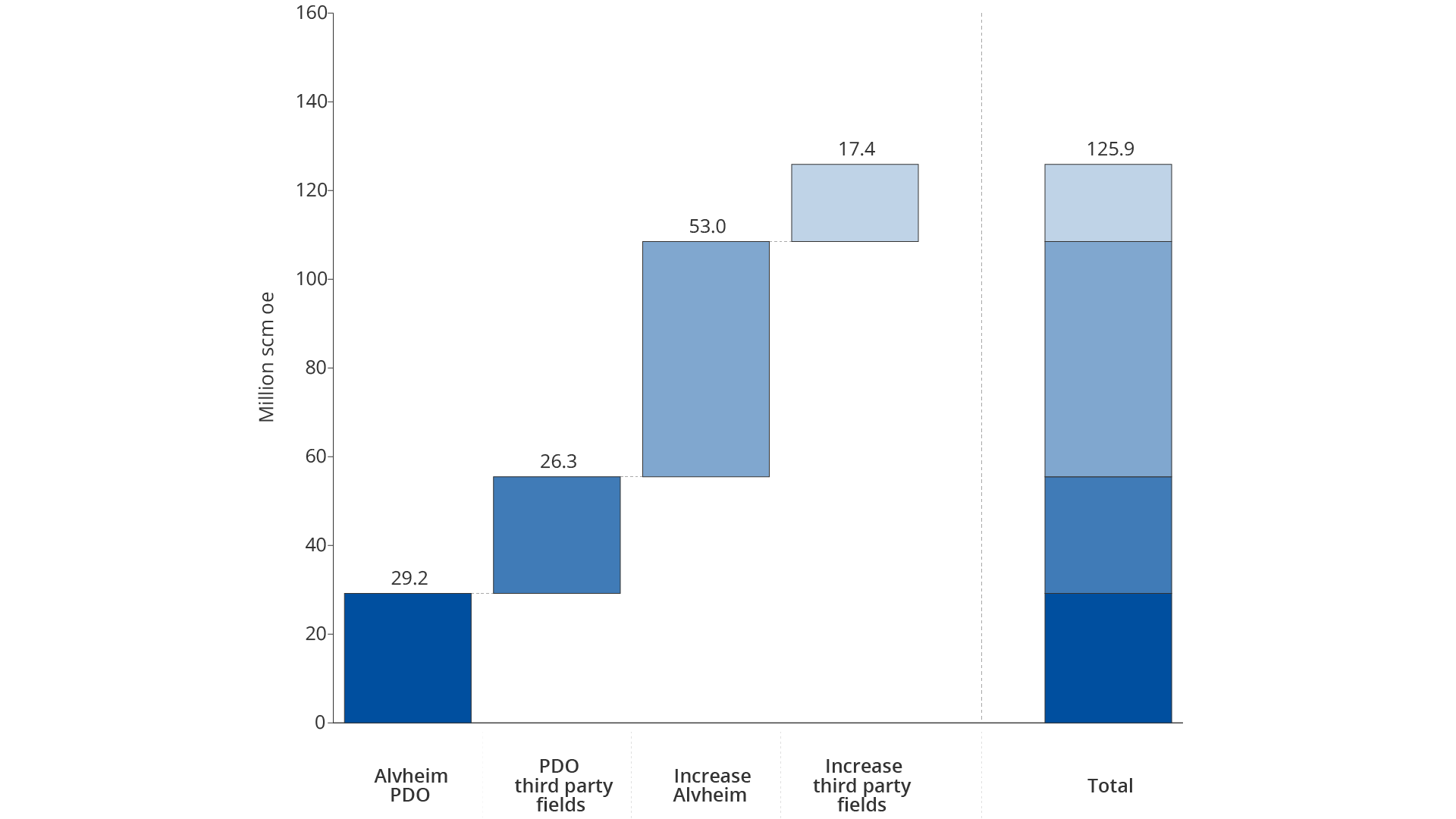
The figure shows resource development in the Alvheim area.
Since the oil price drop in 2014/2015, the companies have set stricter requirements for the development of discoveries, including choice of development solution. This has weakened the incentives to invest in additional capacity(14) .
Joint development of several accumulations is often necessary to achieve sufficient profitability. Joint pipelines and control cables, sharing of modification costs on the host field and coordination of drilling and marine operations result in lower total investment costs than separate developments. Such solutions range from integrated area developments, such as Yggdrasil, to simpler concepts where one production well with multiple wellbores reaches separate accumulations.
However, achieving economies of scale through joint development requires that all parties are willing to invest and share benefits.
Fragmented ownership can make coordination challenging, because it requires agreement between players with different interests, time horizons and cost structures. A balanced ownership distribution results in convergence of interests in recovery and capacity utilisation and reduces the need for special allocation agreements.
At the same time, increased consolidation may exacerbate conflicts of interest related to third-party access, because fewer companies control a larger share of the infrastructure. Section 4-7 of the Petroleum Act(15) gives the authorities the possibility to impose coordination when it is clearly rational to do so to ensure sound resource management.
Fast-track development process
Shorter lead times from discovery to production can contribute to increased value creation. More resources can then be realised within the lifetime of the host field, whilst simultaneously extending production.
The industry is working on several specific measures to compress the planning and execution time(16), so-called fast-track developments. This includes simplified development solutions, standardised concepts and closer cooperation between exploration, development and operations environments.
Since most discoveries today are relatively small, and there is often only one relevant host facility, in-depth multi-year concept phase studies are rarely appropriate. Fast-track developments are therefore not only a cost-reducing measure, but also a value-adding measure directly affecting which discoveries can be developed profitably.
Key measures:
- Standardization and early investment in subsea equipment. Standardised specifications and component inventory management with long lead times can reduce both procurement time and costs.
- Merging milestones in the concept selection phase. When options are limited, planning and activities can be carried out more quickly to reduce the time to decision.
- Keeper wells. Exploration wells can be planned and dimensioned from the start as future production wells, so that the exploration and development phases partly overlap.
Merging planning milestones can involve, inter alia:
- Carrying out activities in parallel which are normally sequential. For example, drilling and installation of subsea equipment can be planned in parallel with the completion of the concept selection, instead of waiting for final PDO approval.
- Merging decision points. Milestones which are normally separate can be merged or shortened when there is only one relevant host facility and one realistic tie-back solution.
- Re-use and pre-decisions. Standardised and pre-procured subsea equipment can be ready before the discovery is matured, and keeper wells allow exploration and development decisions to overlap in time.
Fast-track developments must be weighed against the need for prudent area solutions. What is profitable for one discovery is not always the best option for overall resource utilisation in an area.
Prudent area solutions require coordination over time between operators, licensees and infrastructure owners. Such processes cannot always be accelerated.
Fast-track developments should therefore be a supplement to, not a substitute for, integrated area planning. The scheme is best suited to small discoveries with simple solutions, and less suited to large and complex developments.
Interdependence between discoveries, fields and infrastructure
The close interdependence between fields and infrastructure means that individual decisions can have major consequences for entire areas.
In well-explored areas, fields, discoveries and infrastructure are closely linked. When a field shuts down, process plants can lose so much oil and gas that further operation is no longer profitable. This in turn could threaten the lifetime of infrastructure upon which other fields and discoveries depend, thereby amplifying the production decline in the area (17) (Figure 3.16).
Since the infrastructure ties fields and discoveries together, it is not sufficient to assess shutdown based on the individual field's economics alone. Overall consequences for entire areas must be incorporated into the decision-making. Long-term and viable infrastructure is a prerequisite for active resource management.
Interdependence also means that passivity has a cost. Decisions on processing plants and pipelines affect which resources can be developed over time. Coordinated planning across fields and operators, applying an area and shelf perspective, is necessary to avoid infrastructure lifetime limiting resource extraction earlier than necessary.
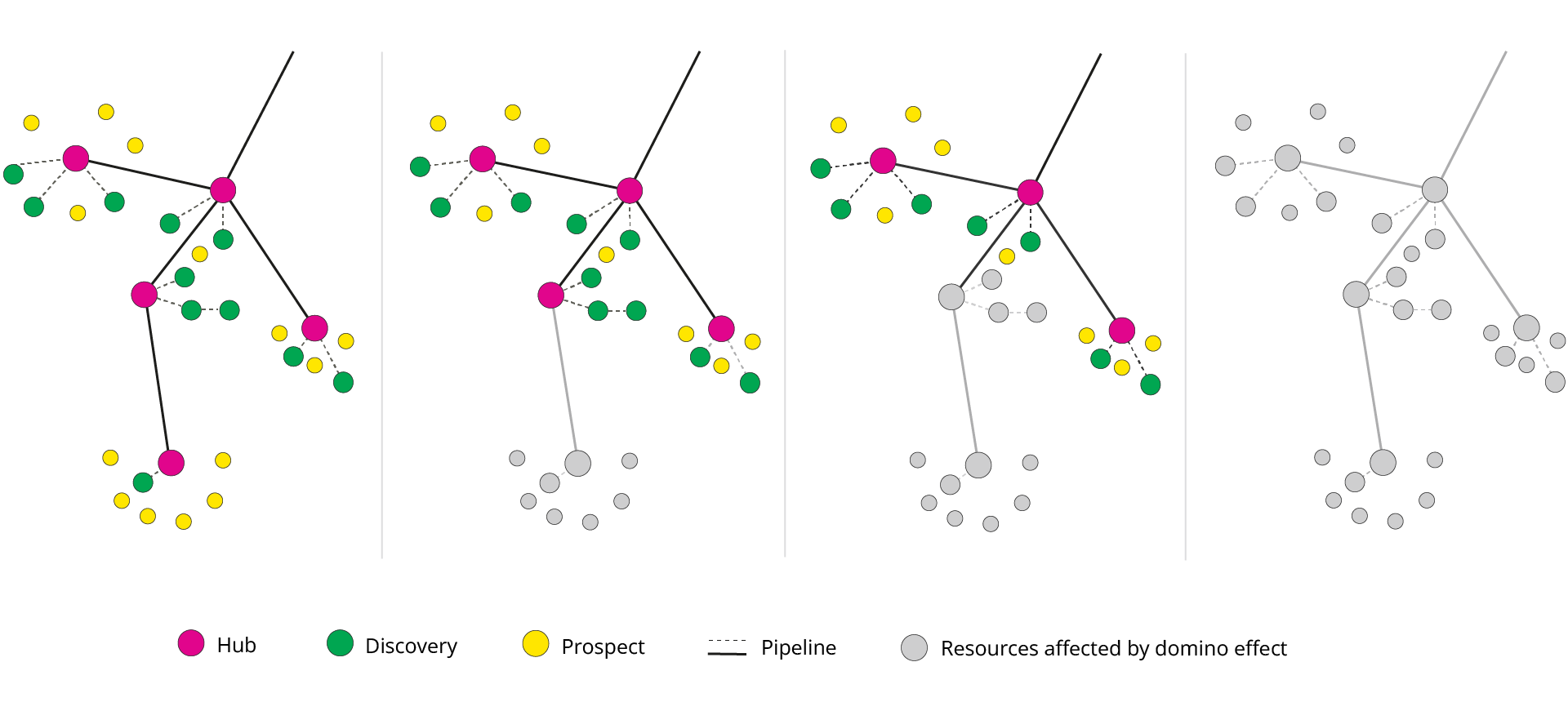
Figure 3.16 Interdependence and the domino effect
Development of resources in tight reservoirs
Tight reservoirs have such low permeability that oil and gas do not flow to the well at sufficient rates. Producing from such reservoirs requires technical measures that increase the flow and make the resources available.
There are large quantities of oil and gas in tight reservoirs on the NCS, both in discoveries and in fields. Figure 3.17 shows mapped oil and gas volumes in place in such reservoirs with associated uncertainty ranges. Despite a significant resource base, several of the discoveries have still not been developed, and tight reservoir zones in producing fields remain undrained.
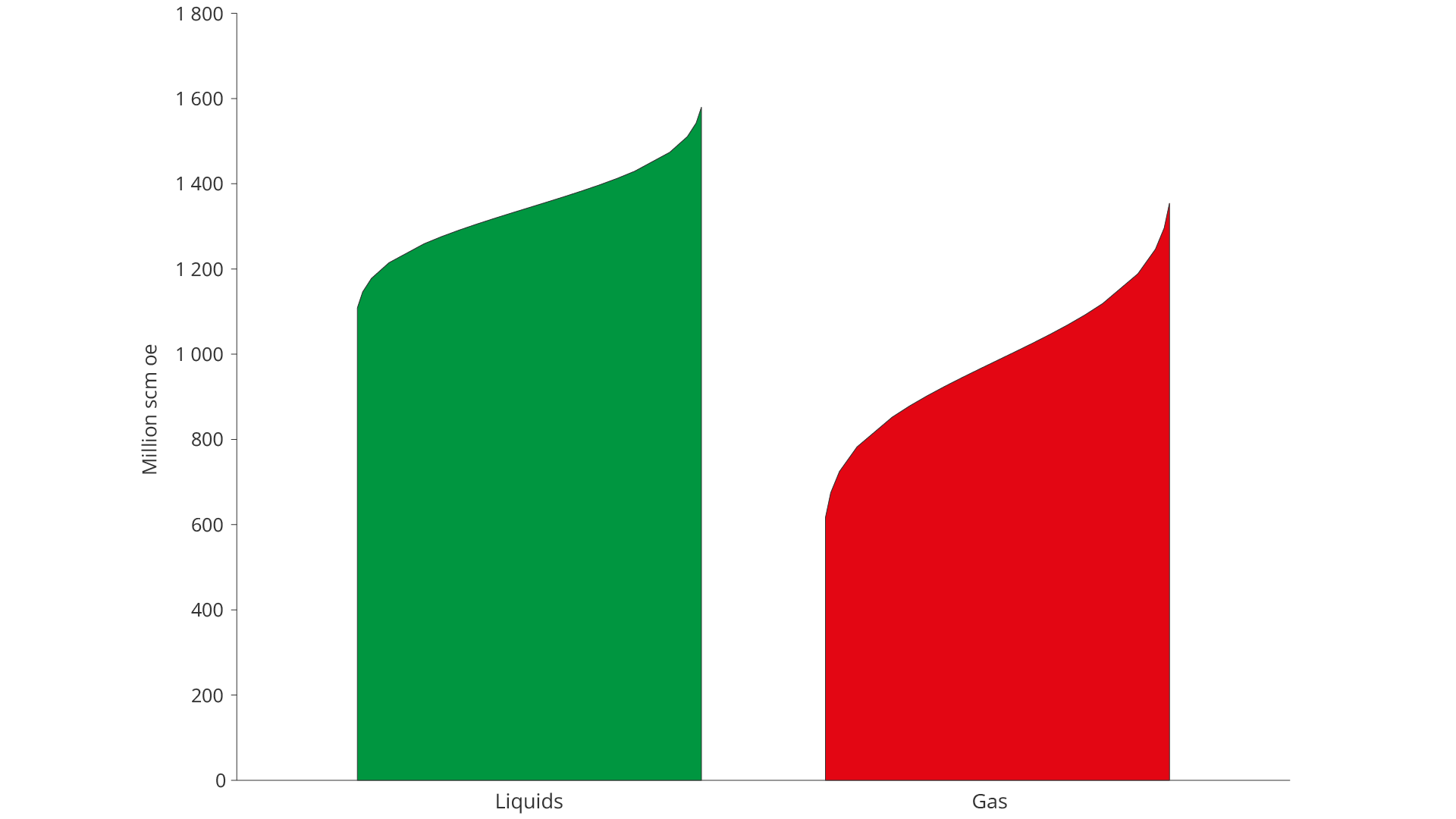
Figure 3.17 Mapped resource potential (resources in place) in tight reservoirs divided into liquids and gas. Uncertainty in the total estimates is illustrated by a low estimate (P90) to the left and a high estimate (P10) to the right in each bar.
Tight reservoirs are challenging to produce from. They result in low flow, high technical risk and the need for expensive solutions, all of which weakens profitability.
Hydraulic fracturing, slim-hole drilling, fishbone drilling technology and coiled tubing drilling can increase the contact surface between well and reservoir and result in higher production. Such measures can make development profitable in discoveries that would not otherwise have been developed.
Development of resources in tight reservoirs is time critical. Profitable development requires tie-back to existing infrastructure before it is taken out of operation. Once infrastructure is decommissioned, costs increase significantly. The resources can then be left without a commercial solution.
Early planning, cooperation between companies and the use of advanced technology increase the likelihood of successful production from tight reservoirs within the technical lifetime of the infrastructure.
Victoria is a large and challenging gas discovery
The 6506/6-1 (Victoria) discovery in the Norwegian Sea was made in 2000 and is one of the largest gas discoveries yet to be developed. Estimates show that the discovery may contain 140 billion scm of gas resources in place. The discovery is located at a depth of approximately 400 metres, and the gas is located approximately 4,800 metres below the seabed.
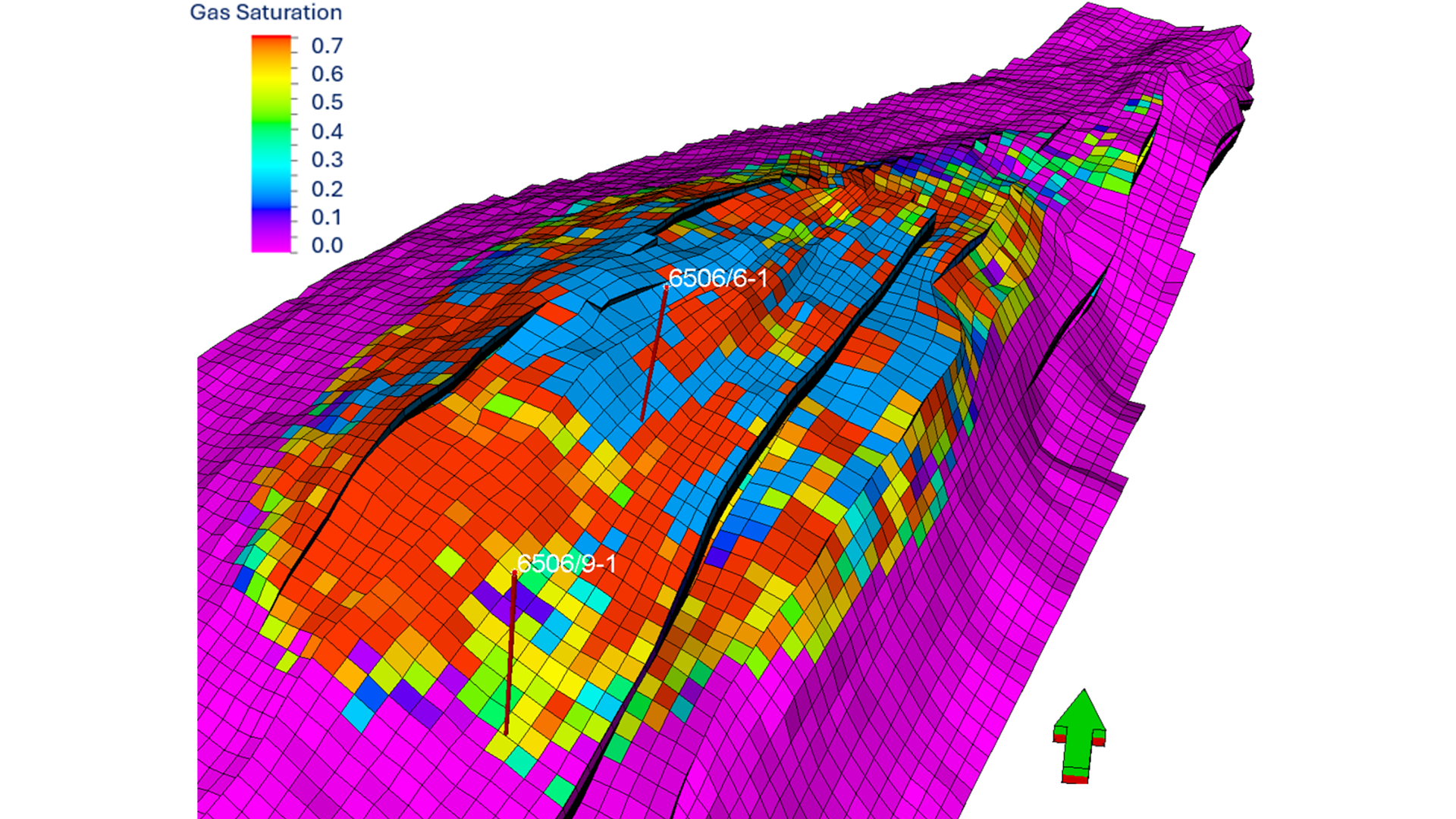
The figure shows a simulation model of the Victoria reservoir with large variations in gas saturation. The colours illustrate uneven distribution, indicating low permeability and limited communication between the reservoir zones. The map shows the Victoria discovery's position in the Norwegian Sea.
Recovery from Victoria is challenging because the reservoir is tight with high pressure, high temperature and high CO₂ content. These conditions have previously rendered development unprofitable. However, recent studies show that technology can pave the way for the development of the discovery. Using today's well technology, combined with hydraulic fracturing, it is estimated that around 29 billion scm of gas can be recovered.
Potential development is time critical. Nearby infrastructure, such as the Heidrun and Åsgard facilities, provides good tie-back opportunities, but only for as long as these facilities are in operation (2045–2050).
Updated: 9/8/2026