Johan Castberg plays a key role in the Barents Sea
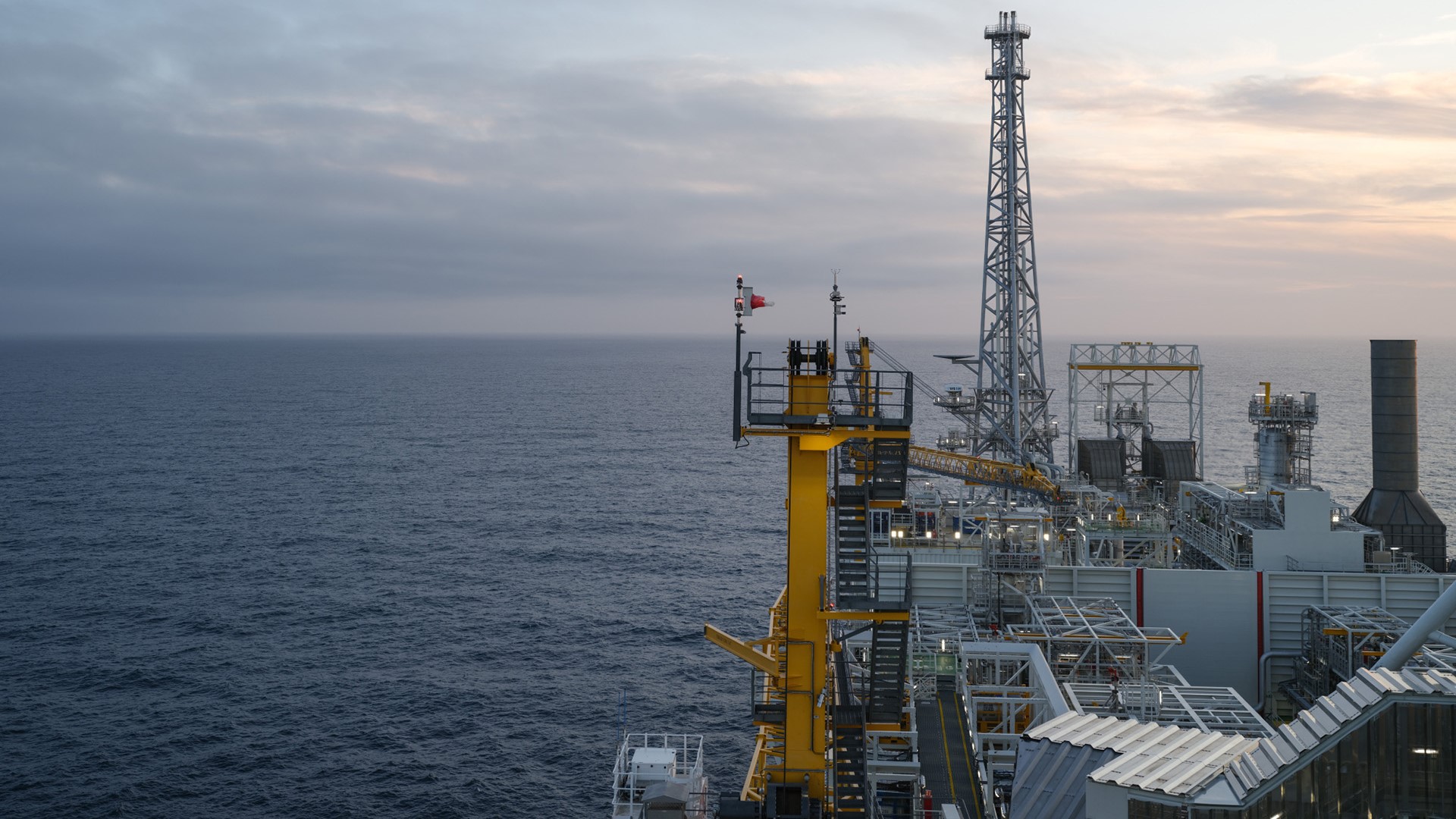
The Johan Castberg oil field was officially opened on 8 August. The field is important for further development of the Barents Sea. (Photo: Ole Jørgen Bratland/Equinor)
8/8/2025 The Johan Castberg field will be producing oil for many years to come, and new discoveries can be incorporated. The field is important for further development in the Barents Sea.
The Johan Castberg oil field came on stream in March, and was officially opened on 8 August.
A total of 13 discoveries have been made in the production licence; two of which were made this year. On 30 June 2025, an oil discovery was reported in the Johan Castberg area And a gas discovery was made on 10 July.
Discoveries have also been made in nearby production licences, and future tie-backs may be relevant.
This generates substantial values for society and helps strengthen Norway as a reliable and long-term energy supplier.
Infrastructure is crucial for further exploration
«Johan Castberg is important for further development of the Barents Sea and to contribute toward slowing the expected production decline from the Norwegian continental shelf,» says Hege Susanne Blåsternes, Director of Offshore development and technology in the Norwegian Offshore Directorate.
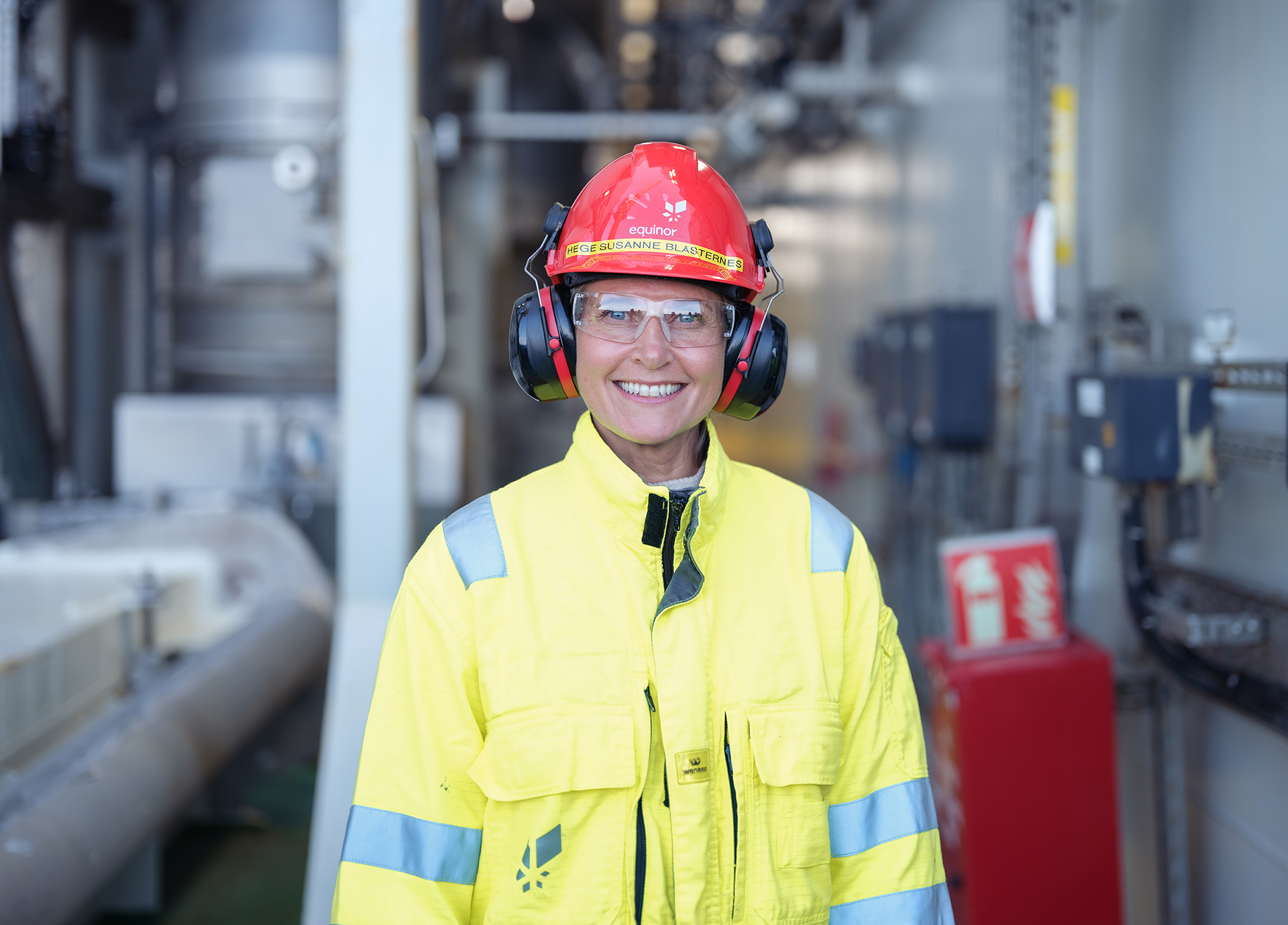
Hege Susanne Blåsternes is the Director of Offshore development and technology at the Norwegian Offshore Directorate. Here she is attending the opening of the Johan Castberg field in the Barents Sea. Photo: (Ole Jørgen Bratland/Equinor)
The Barents Sea is the ocean area on the shelf which holds the greatest expectations for undiscovered resources. A lack of export solutions – particularly for gas deposits – can affect the companies' interest in exploration.
«With infrastructure in place, for example a pipeline solution for gas export, the Barents Sea will remain attractive for exploration.»
Phasing in discoveries to existing fields helps extend the host field's lifetime and profitability. This yields good value creation for society.
Significant resources in the Barents Sea
The Norwegian Offshore Directorate estimates that about 67 per cent of the remaining resources in opened areas in the Barents Sea have yet to be discovered. These resources can form the basis for producing oil and gas for many years to come. However, this development will not simply materialise on its own:
«In order for the Norwegian continental shelf to maintain production at a high level, the companies will need to explore more, drill more wells and continue developing technology. The Norwegian Offshore Directorate wants to ensure that the decisions made contribute to good area solutions for the best possible resource management,» Blåsternes says.
Facts
- Johan Castberg is located 100 kilometres northwest of Snøhvit, at a water depth of 370 metres.
- The field, which is operated by Equinor, consists of the Skrugard, Havis and Drivis discoveries, which were proven between 2011 and 2013.
- The plan for development and operation (PDO) was approved in 2018. The field is developed with a production and storage vessel (FPSO) connected to seabed templates.
- The field produces with pressure support from gas and water injection. The oil is transferred to shuttle tankers and shipped to the market.
- Johan Castberg contains between 450 and 650 million barrels of oil and is the largest oil field on the Norwegian continental shelf after Johan Sverdrup.
Updated: 8/8/2025